
 By Graham Fisher
Updated November 2026
An indoor air purifier for allergies can cut down on dust, pollen, pet dander and mold spores that set off sneezing and congestion. The right choice depends on room size, the particles you react to most, how loud the unit runs at night and what replacement filters will cost over time. The picks below were selected from product listings, brand reputation and common owner feedback, and each one uses a true HEPA filter. If you want more background, see 6 Best Air Purifiers for Cat Allergies Reddit: Picks Compared (2026).
Our top picks at a glance
- 1
 TOP CHOICEBest overallLevoit Core300-PView on Amazon
- 2
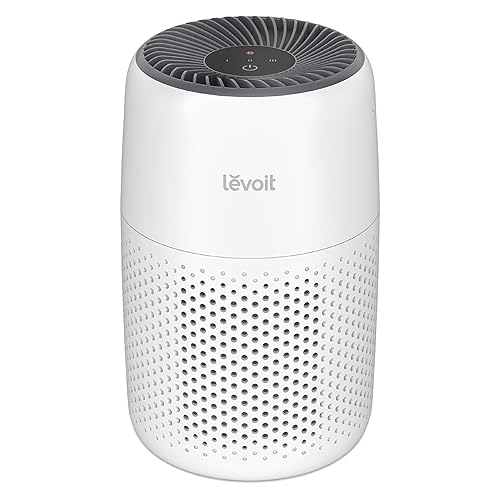 TOP CHOICEBest for small bedroomsLevoit Core Mini-PView on Amazon
- 3
 TOP CHOICEBest for quiet sleepPurivortex PX500View on Amazon
- 4
 Best for pet hairFULMINARE H13 Air CleanerView on Amazon
- 5
 Best for large roomsLevoit Vital 200S-PView on Amazon
- 6
 Best for whole-room coverage with app-free controlsCoway Mighty AP-1512HHView on Amazon
Our Top Picks
Quick Comparison
| Product | Best for | Key feature |
|---|---|---|
| Levoit Core300-P | Best overall | Covers up to 1073 sq ft |
| Levoit Core Mini-P | Small bedrooms | Compact desktop-sized body |
| Purivortex PX500 | Quiet sleep | Ozone-free HEPA filtration |
| FULMINARE H13 Air Cleaner | Pet hair | H13 true HEPA, 20 dB operation |
| Levoit Vital 200S-P | Large rooms | Covers up to 1875 sq ft |
| Coway Mighty AP-1512HH | Whole-room coverage | Auto and eco modes |
Levoit Core300-P
Quiet HEPA Sleep Mode, Remove 99.97% Dust Pollen Smoke Pet Odor, AHAM VERIFIDE, Core300-P, Up to 1073 ft², White Levoit Air Purifier for Home Pets Hair Allergens in Bedroom Quiet Purifiers
Best for: Best overall
This model suits medium bedrooms and living rooms where allergens build up across the day. Owners often report that the sleep mode keeps noise low enough for nighttime use. For a deeper look, 6 Best Air Purifiers for PM2.5 in 2026: Our Picks for Clean Indoor Air covers this in detail.
Pros
- Rated by the manufacturer for rooms up to 1073 sq ft
- Quiet sleep mode suits bedroom use
Cons
- Filter replacements add up over time
Levoit Core Mini-P
Filter Cleaner with Fragrance Sponge, Filters Smoke, Allergens, Pet Dander, Odor, Dust, Office, Desktop, Core Mini-P, White Levoit Air Purifiers for Bedroom Home Pets Dorm Room, Small Air Purifiers
Best for: Best for small bedrooms
A good fit for dorm rooms, nightstands or home offices where floor space is limited. It is a compact option when the room is small and the main goal is reducing dust and pet dander nearby.
Pros
- Small footprint fits tight spaces
- Covers smaller rooms efficiently
Cons
- Not suited to large open-plan areas
Purivortex PX500
Quiet Air Purifier with HEPA Filter for Pollen, Smoke, Dust, Pet Dander, Odor, Hair, Ozone Free Purivortex Air Purifiers for Bedroom, Covers Up to 880 Sq Ft, PX500 Black
Best for: Best for quiet sleep
This unit is aimed at people who are sensitive to noise and want a purifier that runs unobtrusively overnight. It works well in bedrooms covering up to about 880 sq ft. If you want more background, see 5 Best Room Air Purifiers for Allergies: Our Picks Compared (2026).
Pros
- Ozone-free HEPA filtration
- Designed for low-noise operation
Cons
- Coverage is more limited than the largest models
FULMINARE H13 Air Cleaner
Remove Pet Hair, Smoke, Odors, 20 dB Quiet Air Cleaner with Night Light, Portable Air Purifier for Home, Office, Living Room Air Purifiers for Bedroom, FULMINARE H13 True HEPA Filter Up to 1086 Ft²
Best for: Best for pet hair
Households with cats or dogs often look for a unit that handles hair and dander along with general dust. This H13 true HEPA model covers up to about 1086 sq ft according to its listing.
Pros
- H13 true HEPA filter
- Night light and low noise rating listed
Cons
- Brand reputation is less established than some competitors
Levoit Vital 200S-P
LEVOIT Smart Air Purifier for Home Large Room up to 1875 Ft² Vital 200S-P | For Quiet Bedroom at 27dB, AHAM VERIFIDE, Air Quality Monitor, HEPA Sleep Mode for Allergies, Pet Hair and dander, White
Best for: Best for large rooms
A strong option for open-plan living spaces or a large bedroom suite. The built-in air quality monitor and app connectivity appeal to owners who want to track conditions.
Pros
- Manufacturer rates coverage up to 1875 sq ft
- Built-in air quality monitor
Cons
- Larger footprint than compact models
Coway Mighty AP-1512HH
COWAY Air Purifier for Home Up to 1,748ft², HEPA Filter for Smoke, Allergies, Pet Dander, Odor, Air Quality Monitor, Auto&Eco Mode, Timer, Filter Indicator, 3yr Warranty, Mighty AP-1512HH(W), White
Best for: Best for whole-room coverage with app-free controls
Suited to households that prefer a straightforward control panel and a long warranty. It is rated for rooms up to 1,748 sq ft and includes auto and eco modes.
Pros
- Auto and eco modes adjust to air quality
- Three-year warranty listed
Cons
- Heavier and bulkier than smaller units
Buying Guide
Match CADR to your room size
Clean Air Delivery Rate (CADR) measures how much filtered air a unit delivers, in cubic feet per minute. For allergies, check that the CADR is high enough for your room’s square footage, since manufacturers usually list a recommended coverage area.
Look for a true HEPA filter
A true HEPA filter captures at least 99.97% of particles 0.3 microns in size, which includes many pollen grains, dust mite debris and pet dander. Be wary of marketing that uses “HEPA-type” or “HEPA-like” without specifying a true HEPA standard.
FAQ
Does an indoor air purifier really help with allergies?
An air purifier can reduce airborne particles such as dust, pollen, pet dander and some mold spores that trigger allergy symptoms. It works best alongside other steps like keeping windows closed during high pollen days, vacuuming regularly and washing bedding in hot water. It will not cure allergies, but many people notice fewer sneezing and stuffy-nose episodes in a room that is running a purifier.
What is the difference between a true HEPA filter and a HEPA-type filter?
A true HEPA filter is designed to capture at least 99.97% of particles at 0.3 microns, which includes many common allergens. HEPA-type or “HEPA-like” filters are marketed as similar but are not held to the same standard, so their performance can vary. For allergies, look for wording that specifically says true HEPA on the product listing or packaging.
What room size should I buy an air purifier for?
Match the unit’s rated coverage area to the size of the room where you will use it, and consider going one size up for better results. A purifier rated for a small bedroom may struggle in an open-concept living area. Checking the clean air delivery rate, often shortened to CADR, can also help you compare how quickly different models clean the air.
Can I run an air purifier all night in the bedroom?
Yes, most purifiers offer a sleep or night mode that lowers fan speed and dims or turns off indicator lights. Many of the models in this guide are rated as quiet, which makes them suitable for overnight use. Running the unit on a low setting while you sleep is a common way to keep allergens down where you spend the most time.
How often do I need to replace the filter?
Replacement timing depends on the model, how many hours it runs each day and how polluted your air is. Many units include a filter indicator that signals when it is time to swap, and pre-filters can often be vacuumed or washed. Budgeting for replacement filters over the course of a year is a good idea, since they are the main ongoing cost.
Do air purifiers remove odors and smoke too?
Many purifiers include a activated carbon layer or pre-filter that helps reduce odors, cooking smells and some smoke particles. A HEPA filter is strongest at capturing fine particles, so models that combine HEPA with carbon tend to handle both allergens and odors. If strong smoke or chemical fumes are your main concern, look for a unit that specifically lists carbon filtration.
Conclusion
If you want a dependable all-around choice for allergy relief in a typical bedroom or living room, a larger unit with a true HEPA filter and a quiet sleep mode is a strong starting point. Shoppers with small rooms, dorms or desks may do better with a compact model that still meets the true HEPA standard.
Choose based on your room size, the allergens that bother you most and how much noise you can tolerate at night, then factor in long-term filter costs. Matching those three factors will usually point you to the right pick from this list.
Related reading
- Would an Air Purifier Help With Allergies? What to Expect (2026)
- Will an Air Purifier Help With Allergies? What to Expect and How to Get Results
- What Is Better for Allergies Humidifier or Air Purifier (2026): Which Should You Choose?
- Using an Air Purifier for Allergies: A Step-by-Step Guide (2026)
About Graham Fisher
Graham Fisher is part of our editorial team and reviews and edits our indoor air guides, checking product details against manufacturer specifications and owner feedback.