By Ella Sterling
An air purifier for paint smell can noticeably reduce the sharp, lingering odor that comes from latex and oil-based paints, primers and solvents, but it works best as part of a plan. In this guide you will learn why paint odor persists, which purifier features actually matter for fumes, how to size a unit for the room you are painting, and how to use it so the smell clears in days rather than weeks.
Why Paint Smell Lingers and What a Purifier Can Do
Most of the smell you notice from fresh paint comes from volatile organic compounds, or VOCs. These are gases released as the paint dries and cures, and they include solvents like glycols, ketones and aromatic hydrocarbons. Latex paints off-gas most heavily in the first 24 to 72 hours, while oil-based paints and solvent-based stains can keep emitting for longer. Manufacturers often state that off-gassing peaks early and tapers, which matches what most people notice in their homes.
Shopping for one? See our guide: Pure Air 3000 Air Purifier Review (2026): Pros, Cons & Who Should Buy.
An air purifier cannot make paint dry faster, and it will not remove odor from the wall itself. What it can do is capture airborne particles and some gases as air passes through its filters, which lowers the concentration of odor molecules in the room. The key word is “some.” A standard HEPA filter traps particles very effectively but does little against gases on its own. Activated carbon is the component that adsorbs many VOCs and odor molecules, so the type of filter you choose matters more than the brand name on the box.
Choose a Purifier With Activated Carbon
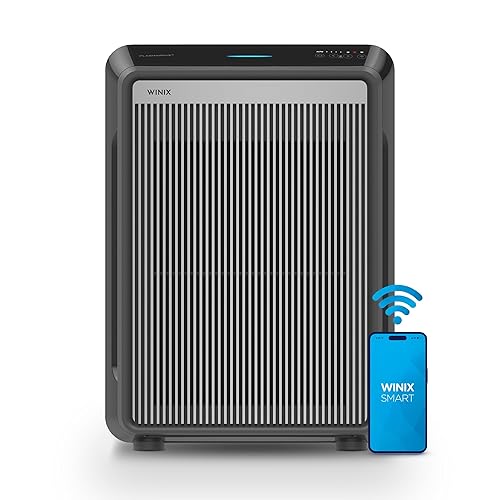
When you shop for a purifier to handle paint odor, look for a unit that includes a substantial activated carbon stage. Many models pair a True HEPA filter for particles with a carbon layer for gases. For a deeper look at how these stages differ, see How Air Purifiers Work, which explains the sequence of pre-filter, HEPA and carbon in plain terms.
Keep in mind that carbon filters have a finite capacity. A thin carbon sheet holds far less than a deep carbon bed. Manufacturers typically rate carbon media by weight, and heavier carbon beds generally handle odor loads better. If the product literature does not state carbon weight, check whether the spec sheet mentions an odor or gas filtration rating. Filters labeled only as “odor reduction” without detail are harder to compare.
If you are not sure which model fits your situation, Air Purifier Buying Guide walks through the main specifications in a logical order, and How to Select Air Purifier for Home: 7 Factors That Matter goes deeper on matching features to your space.
Size the Purifier to the Room You Are Painting
A purifier that is too small for the room will run constantly and still struggle to keep up with a fresh coat of paint. The standard way to size one is with CADR, or Clean Air Delivery Rate, which measures how much filtered air the unit delivers per minute. A common rule of thumb is to match the CADR to the room’s square footage, with a higher CADR preferred when odor is the goal.
Here is a practical sizing approach:
- Measure the room’s length and width in feet and multiply to get square footage.
- Multiply the square footage by the ceiling height ratio if the ceiling is unusually high, or simply treat the room as its floor area for quick estimates.
- Choose a purifier rated for a room size at least as large as your space, and preferably one size up for odor work.
- Check the CADR for smoke or dust, since those figures are the most commonly published and give a reasonable proxy for overall throughput.
For more detail on converting room dimensions into the right capacity, Air Purifier Room Size Guide and Air Purifier CADR Explained both cover the math and what the numbers mean in practice.
| Room size | Suggested minimum CADR for odor work | Notes |
|---|---|---|
| Small room, up to about 150 sq ft | Around 150 CFM | Good for a bathroom or small bedroom touch-up |
| Medium room, about 150 to 300 sq ft | Around 200 to 250 CFM | Typical for a bedroom or home office |
| Large room, about 300 to 500 sq ft | Around 300 CFM or higher | Consider two units for open-plan spaces |
These are general planning ranges, not guarantees. Always check the manufacturer’s stated coverage for your specific model.
Step-by-Step: Using a Purifier During and After Painting
Timing and placement make a bigger difference than most people expect. Follow these steps for the best result.
Before you start painting
- Run the purifier on high for 30 minutes in the empty room to clear any existing odors.
- Replace or check the pre-filter and carbon stage if the unit has been in use for a long time.
- Close the door to the room you are painting so the unit can work on a defined air volume.
During painting
- Place the purifier on the floor or a low stand a few feet from where you are working, not against a wall, so air can reach the intake freely.
- Keep the unit running on high while you paint and for several hours afterward.
- Open a window slightly on the opposite side of the room if weather allows. Fresh air combined with purification clears fumes faster than purification alone.
After painting
- Keep the purifier running continuously for at least 48 to 72 hours, longer for oil-based paint.
- Check the odor level by walking into the room with the door closed for a few minutes, then reopening it. You will notice when the smell fades.
- Once the room smells neutral, drop the unit to a lower speed or run it on a timer to maintain air quality.
Factors That Affect How Fast the Smell Clears
Several conditions change how quickly a purifier can make a difference:
- Paint type: Oil-based and solvent products usually off-gas longer than low-VOC latex.
- Ventilation: A closed room traps fumes, so a purifier works harder without fresh air exchange.
- Surface area painted: Painting a full room releases far more VOCs than touching up a single wall.
- Temperature and humidity: Warm conditions speed off-gassing. Very high humidity can slow drying and prolong odor.
- Filter condition: A saturated carbon stage stops adsorbing odors, which is why maintenance matters.
If you want to track whether the room is truly clearing, a monitor that reports VOC levels can be useful. Best Indoor Air Quality Monitors covers options that display readings in real time, and Air Quality Monitor Buying Guide explains which sensors are most relevant for chemical odors.
Common Mistakes to Avoid
- Relying on a HEPA-only purifier. Particle filtration does little for gaseous paint odor without carbon.
- Running the unit on a low speed. Odor removal depends on air changes per hour, so use high speed during the active phase.
- Placing the purifier in a corner or behind furniture where airflow is blocked.
- Ignoring the pre-filter. A clogged pre-filter reduces airflow and shortens the life of the carbon stage behind it.
- Assuming the smell is gone when it is only masked. Air fresheners cover odor and add their own chemicals, so they are not a substitute.
- Painting in a sealed room with no ventilation at all. Purification helps, but it does not replace fresh air.
Tips for Faster, Healthier Results
- Choose low-VOC or zero-VOC paints when possible, since they release far fewer compounds in the first place.
- Start painting in the morning so you have a full day of daylight and airflow to help the room dry.
- Keep pets and sensitive household members out of the room until the smell has cleared.
- Write down your filter replacement schedule as soon as you buy the unit. Carbon wears out faster in heavy-odor use.
- Clean the purifier’s exterior and intake grilles during the project so dust from sanding does not clog the pre-filter.
Recommended gear
These items support the purifier and help you manage fumes during a paint project.
- Replacement activated carbon filters for your purifier model: Fresh carbon is the single most important consumable for odor work, since saturated carbon stops adsorbing gases. View on Amazon
- Window fan: Pulling fresh air in and exhausting room air speeds up the air exchange that a purifier alone cannot provide. View on Amazon
- Organic vapor respirator with cartridges: Recommended for the painter during application, especially in enclosed spaces with solvent-based products. View on Amazon
- Indoor air quality monitor with VOC sensor: Lets you confirm when levels have dropped enough to re-enter or reoccupy the room. View on Amazon
FAQ
Does an air purifier really remove paint smell?
Yes, a purifier with a substantial activated carbon stage can reduce paint odor by adsorbing VOCs from the air. It works faster when combined with ventilation and does not remove odor that is already absorbed into surfaces.
Is a HEPA filter enough for paint fumes?
No. HEPA filters capture particles such as dust and overspray but do little against gases. Look for a unit that also includes activated carbon.
How long does paint smell usually last?
Latex paint often smells most strongly for the first one to three days. Oil-based products can smell for a week or longer. Ventilation and temperature affect the timeline.
Should I run the purifier all night?
For the first few days after painting, continuous operation is commonly recommended. Many people then reduce it to a lower speed or timer once the odor fades.
Can I use the purifier while I am painting?
Yes, and it is often recommended. Place it a few feet from your work area so it draws in fumes without blocking your movement. You should still wear a respirator designed for organic vapors during application.
How often should I replace the carbon filter after painting?
Check the manufacturer’s guidance. Heavy odor loads like a full room of paint can saturate carbon faster than normal use, so inspecting or replacing the filter after a major project is a sensible step.
Are paint fumes dangerous to breathe?
Some VOCs can irritate the eyes, nose and airways, and solvent exposure carries higher risks. If you have asthma, respiratory conditions, pregnancy or a health concern, consult a doctor or occupational health professional before painting or staying in a freshly painted space.
Conclusion
An air purifier for paint smell is most effective when it includes activated carbon, is sized for the room, and runs on high during and after the project. Pair it with fresh air through a window or fan, and choose low-VOC paints when you can. With those steps, most rooms clear noticeably within a few days, and a fresh carbon filter will keep the process working as intended.

About Ella Sterling
Ella covers indoor air, comparing specs, features and long-term owner feedback to help readers choose with confidence.