By Ella Sterling
An air dehumidifier and an air purifier solve different problems, and buying the wrong one is a common mistake. A dehumidifier pulls water vapor out of the air to bring relative humidity down, usually into the 30 to 50 percent range. An air purifier pulls particles, such as dust, pollen, pet dander, and smoke, through a filter. If your main issue is a damp basement, musty smell, or condensation on windows, a dehumidifier is the right tool. If you deal with allergies, smoke, or everyday dust, an air purifier is the better pick. Some households need both, but most should start with the one that matches their biggest complaint.
| Criterion | Air Dehumidifier | Air Purifier |
|---|---|---|
| Main job | Removes water vapor from the air | Removes airborne particles and some gases |
| Best for | Damp rooms, mold risk, musty odors, condensation | Allergens, dust, pet dander, smoke, wildfire haze |
| Humidity effect | Lowers relative humidity | Does not change humidity |
| Particle removal | Minimal; some models have basic filters only | Strong, especially with True HEPA filtration |
| Key rating | Pints removed per day (often at standard test conditions) | CADR, clean air delivery rate (CFM) |
| Maintenance | Empty or drain the water tank, clean the coil and filter | Replace filters on schedule, vacuum the pre-filter |
| Noise | Compressor hum and fan noise; can be loud | Fan noise that rises with speed; often quieter on low |
| Winter use | Useful in heated, sealed homes with condensation | Works year-round without changing the air’s moisture |
| Power use | Generally higher, since it runs a compressor | Generally lower, mainly a fan and motor |
Which Wins on Removing Moisture? (Dehumidifier)
The dehumidifier wins this one clearly. It is built to condense water from the air and collect it in a tank or send it down a drain hose. Manufacturers typically rate units by how many pints they can remove in 24 hours under a set test condition, often 80 degrees Fahrenheit and 60 percent relative humidity. Larger rooms and wetter spaces need higher capacity models. A basement with a persistent damp smell will usually need more capacity than a small bedroom with occasional condensation.
An air purifier does nothing to lower humidity. Running one in a basement that sits at 70 percent relative humidity will clean the particles in the air but will not stop mold growth on the walls. If moisture is the problem, a purifier simply is not designed to fix it.
Which Wins on Removing Dust, Pollen, and Smoke? (Air Purifier)
The air purifier wins here. Its performance is typically described by CADR, or clean air delivery rate, which is measured in cubic feet per minute for smoke, dust, and pollen. The higher the CADR, the faster the unit cleans a room. A common guideline is to pick a purifier whose CADR for smoke is at least two-thirds of the room’s area in square feet, though many people size up for faster results. True HEPA filters capture at least 99.97 percent of particles at 0.3 microns, which covers many allergens.
A dehumidifier is not built for this job. Some models include a basic washable filter that catches lint and large dust, but that is not the same as HEPA filtration and will not handle fine allergens or smoke. If allergies or smoke are your concern, a dehumidifier will not solve it.
Which Wins on Odors? (It Depends on the Source)
This is a split decision. Musty odors usually come from mold and mildew, which thrive in moisture. Lowering humidity with a dehumidifier often removes the source of the smell. Cooking smells, pet odors, and smoke are different. Those are gas-phase or particle-based, and an air purifier with an activated carbon filter can reduce them. Many purifiers use a carbon layer for this reason, though the amount of carbon varies widely between models, and a thin layer offers limited odor removal.
If you are not sure where a smell comes from, start by measuring humidity. A reading above 60 percent is a strong hint that moisture is the cause. Our Indoor Air Quality Guide: The Basics explains how to check. For a quick reading, a Best Indoor Air Quality Monitors pick can track humidity and particle levels together.
Which Wins on Energy Use and Running Cost? (Air Purifier)
The air purifier generally wins on energy use. A dehumidifier runs a compressor to cool air and condense water, which draws more power than a purifier’s fan and motor. Running a dehumidifier around the clock in a damp basement can add noticeably to a monthly power bill, while a purifier on a low setting uses much less electricity. Actual consumption depends on the model, its settings, and the room, so compare the rated wattage on each product’s spec sheet. Filter replacement is a separate ongoing cost for purifiers, so factor filters into your total cost of ownership, not just the energy draw.
Which Wins on Maintenance? (Tie, With Different Chores)
Both need regular upkeep, but the tasks differ. A dehumidifier requires you to empty the water tank or connect a drain hose, and to clean the coil and air filter so airflow stays strong. Owners often report that a dirty coil reduces performance over time. An air purifier requires filter replacement on the schedule the manufacturer specifies, along with vacuuming the pre-filter to extend the main filter’s life. Our Air Purifier Maintenance guide covers those steps in more detail. Neither device is hard to maintain, but both fail to perform when neglected.
Which Wins on Noise? (Air Purifier, Usually)
Air purifiers tend to be quieter, particularly on low fan speeds, which many people use overnight. Dehumidifiers run a compressor and fan, and many owners report that the compressor hum is noticeable in a quiet room. If the unit will sit in a bedroom or living area, check the decibel rating in the specifications and read reviews that mention noise at night. A purifier is usually the easier choice for a bedroom. Our Best Air Purifiers for Bedrooms roundup covers quiet options that suit sleeping spaces.
Which Wins for Winter Use? (Dehumidifier, in Sealed Homes)
In winter, heated homes with tight windows often develop condensation and moisture problems, so the dehumidifier can be the more useful device during cold months. An air purifier keeps working through winter but does not address the moisture buildup that causes window fogging and mold risk. Winter also brings more indoor allergens and smoke from heating or fireplaces, so a purifier still has a role. Many households run both seasonally, with the purifier handling particles year-round and the dehumidifier added when condensation appears.
Which Should You Choose?
- Choose an air dehumidifier if your basement, bathroom, or laundry area smells musty, you see condensation on windows, or relative humidity stays above 50 percent for long stretches.
- Choose an air purifier if allergies, pet dander, dust, or smoke are your main concern, and you want cleaner air without changing the humidity.
- Choose a dehumidifier first if you have visible mold or a damp smell, since moisture is the root cause and a purifier will not stop mold growth.
- Choose an air purifier first if your humidity is already in a healthy range and your complaint is dust, allergens, or wildfire haze.
- Consider both if you have a damp area and a separate allergy or particle problem, such as a basement workshop used by someone with pet allergies.
- Choose an air purifier for a bedroom where quiet operation matters most, and use a dehumidifier in a separate damp room.
If you decide on a purifier, sizing it correctly matters. The Air Purifier Room Size Guide shows how to match a unit to your square footage, and our Air Purifier CADR Explained article covers what the rating means in practice.
Dehumidifier option: Look for a unit with a rated pint capacity that fits your room size and a clear water tank indicator. A drain-hose option helps in basements where the tank would otherwise need frequent emptying. View on Amazon
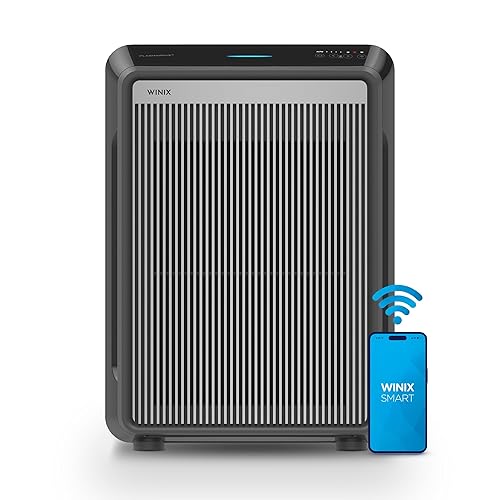
Air purifier option: Look for a True HEPA filter, a CADR rating suited to your room, and a washable pre-filter. View on Amazon
For a broader look at the purifier side, our Air Purifier Buying Guide walks through the main features to compare. If you want to check the filter side in more depth, the Best True HEPA Air Purifiers roundup explains what separates true HEPA from marketing terms.
FAQ
Can an air purifier replace a dehumidifier?
No. An air purifier removes particles from the air but does not lower humidity. If your home has high moisture, mold risk, or condensation, a dehumidifier is needed to bring relative humidity down. A purifier can help with airborne mold spores, but it will not stop mold from growing on surfaces.
Can a dehumidifier clean the air like an air purifier?
Not in a meaningful way for most homes. Some dehumidifiers include a basic washable filter that catches lint and large dust, but that is different from HEPA filtration. If you need to reduce allergens, smoke, or fine dust, an air purifier with a True HEPA filter is the better choice.
What humidity level should I aim for at home?
Many indoor air guidelines suggest keeping relative humidity between 30 and 50 percent. Above about 60 percent, mold and dust mites tend to thrive. A simple hygrometer can show your current level so you know whether a dehumidifier is needed.
Do air purifiers help with musty smells?
Sometimes, but the cause matters. Musty smells usually come from moisture and mold, which a dehumidifier addresses directly by lowering humidity. A purifier with an activated carbon filter can reduce some odors, but it will not remove mold at its source. Check the humidity first.
Is it safe to run a dehumidifier and an air purifier together?
Generally yes, and many homes run both. The two devices work on different problems, so they do not interfere with each other in normal use. If you have a health condition, such as asthma or a mold allergy, or you suspect significant mold growth, consult a doctor or a qualified indoor air or remediation professional before relying on either device alone.
Conclusion
An air dehumidifier and an air purifier are not interchangeable. The dehumidifier controls moisture, which matters most in damp basements, bathrooms, and sealed winter homes. The air purifier removes particles such as dust, pollen, pet dander, and smoke, and it does not change humidity at all. Start by identifying your main complaint. If the air feels damp or smells musty, measure humidity and consider a dehumidifier. If the problem is allergens or smoke, an air purifier with a suitable CADR and True HEPA filter is the better fit. Many homes with both issues end up using both devices, each doing the job it was built for.

About Ella Sterling
Ella covers indoor air, comparing specs, features and long-term owner feedback to help readers choose with confidence.