 By Graham Fisher
Updated November 2026
If you are looking at the levoit air purifier for home allergies core 300, you are probably trying to cut down on dust, pollen, pet dander and the general stuffiness that makes allergy season miserable indoors. This review looks at who this unit suits, who should look elsewhere, and what the specifications and owner feedback patterns suggest about real-world performance. It is a research-based review: we have not run the unit in a home of our own, so every observation below comes from published specifications, the manufacturer’s stated figures and common themes in owner reports.
This model fits best in a single bedroom, a home office or a small living area where someone with allergies spends long stretches of time. It is a reasonable pick for people who want a quiet, filter-based unit with a simple control set. It is less suitable for large open-plan spaces, rooms with heavy smoke or chemical odors, or buyers who expect a purifier to fix humidity, mold growth or a dusty ventilation system on its own. Those problems need a different approach, and a purifier should be one piece of the plan rather than the whole plan.

LEVOIT Air Purifiers for Home Allergies and Better Sleep (Core 300 / Core300-P + Core Mini)
Product Overview
The LEVOIT Air Purifiers for Home Allergies and Better Sleep line is sold under the Core 300 name, with related listings that include the Core300-P and Core Mini variants. The Core 300 is a compact tower-style purifier built around a three-stage filtration system: a pre-filter that catches larger particles such as hair and lint, a true HEPA filter for fine particles, and an activated carbon layer aimed at odors and some gases. The housing is designed to sit on the floor or on a low shelf, which makes it easy to place near a bed or desk.
Levoit positions this unit for allergy sufferers and light pet owners. The manufacturer emphasizes sleep-friendly operation, including a dimmable or low-light mode and a quiet setting intended for overnight use. Owners generally describe it as a straightforward appliance: plug it in, select a fan speed or auto mode, and let it run. There is no app pairing required for basic use, which suits people who do not want another device to manage.
Key Features & Specifications
The table below lists the characteristics we can state with confidence based on the product name and widely published details for this model family. Check the current listing for exact dimensions, weight and warranty terms, since those can change between revisions.
| Feature | What it means for you |
|---|---|
| Filtration stages | Pre-filter, HEPA and activated carbon, which covers large debris, fine particles and some odors |
| HEPA filter | Designed to capture 99.97% of particles at 0.3 microns under the standard test method used by most manufacturers |
| Recommended room size | Sized for small to medium rooms; the Core 300 family is commonly rated for roughly 200 square feet in a single room |
| Air changes per hour | Manufacturers typically specify several air changes per hour at higher fan speeds in the rated room size |
| Fan speeds and modes | Multiple manual speeds plus an auto mode that adjusts to measured air quality |
| Sleep or night mode | Lower fan speed and dimmed display for overnight use |
| Filter replacement | HEPA and carbon filters are replaceable; check the manufacturer’s stated interval for your usage |
| Power | Standard plug-in operation with low power draw on low settings |
Pros & Cons
Pros
- Compact footprint that fits beside a bed, desk or in a corner without dominating the room.
- Three-stage filtration covers the particle sizes most relevant to dust, pollen and pet hair.
- Low-noise sleep mode is a common reason owners buy the unit for bedrooms.
- Simple controls with minimal setup, which many owners say makes it easy to keep running.
- Filter replacements are widely available, so ongoing maintenance is straightforward.
Cons
- Coverage is limited to smaller rooms; it is not a whole-home solution.
- Carbon layer is modest, so strong chemical or heavy smoke odors may still come through.
- Replacement filters are an ongoing expense that adds up over the year.
- Does not address humidity, mold sources or ventilation problems at the root.
- Some owners wish for more granular control or a built-in air quality display in every variant.
Performance Analysis
Performance for a purifier comes down to three things: how much air it moves through the filter, how well the filter captures particles, and whether it runs at a noise level you can live with. On paper, the Core 300 uses a true HEPA filter rated to capture 99.97% of 0.3-micron particles, which is the standard most manufacturers reference. That covers the bulk of pollen, dust mite debris and pet dander, which are the main triggers for many allergy sufferers. Real-world effect depends on whether the unit is sized correctly for the room and whether the filters are changed on schedule.
Owner feedback tends to cluster around a few themes. Many people report that the unit makes a noticeable difference in dust and pet hair in a bedroom over a few days, particularly on medium fan settings. Others note that the sleep mode is quiet enough not to disturb sleep, though higher speeds are clearly audible. Common complaints include the filter indicator being hard to interpret, the carbon layer being less effective on strong odors than the marketing might suggest, and a need to run the unit with doors closed for best results. These patterns are consistent with what you would expect from a compact HEPA unit in a small room.
Keep expectations realistic. A purifier reduces airborne particles while it runs; it does not stop new allergens from entering through open windows, from clothing or from pets. Running it continuously on a low setting in the bedroom, closing the door and vacuuming with a HEPA vacuum tends to give the most noticeable results. Hay fever and asthma symptoms can have many causes, so an air purifier is best viewed as one part of a wider strategy.
Who Should Buy This Product?
This unit is a good match if you have allergies that flare in a bedroom or home office, you want a quiet device for overnight use, and you have a room of roughly 200 square feet or less. It also suits households with one or two cats or dogs where pet hair and dander are a steady problem in one room. Renters and people in smaller apartments often appreciate the compact size and easy setup.
You should probably skip this model if you need to clean a large open-plan area, a whole floor of a house, or a room with serious smoke or industrial odors. People expecting a purifier to resolve damp basements, mold or poor ventilation should address those sources directly first. Buyers who want detailed air quality graphs, app control or smart-home integration may find the basic controls too limited.
Buying Guide
Start with room size. Measure the floor area of the room you plan to use, then compare it with the unit’s rated coverage. Buying a purifier rated for a larger space than your room gives you more headroom and lets you run it on lower, quieter settings. Buying one rated for a smaller space means it has to work harder and run louder to keep up.
Next, think about clean air delivery rate, or CADR. CADR tells you how much filtered air the unit delivers per minute for smoke, dust and pollen. Higher CADR numbers mean faster cleaning in a given room. When comparing products, look for CADR figures for each particle type rather than a single headline number, since they measure different things.
Plan for filter costs before you buy. HEPA and carbon filters have a set life, and replacement is the main ongoing expense of owning any purifier. Check the manufacturer’s recommended replacement schedule, estimate how many filters you will need over a year, and compare that with the cost of a model that uses longer-life filters. Owners with pets or heavy dust usually replace filters sooner than the minimum interval suggests.
Consider noise and sleep mode if the unit will sit in a bedroom. Look for stated decibel levels at low and sleep settings, and check whether the display can be dimmed or turned off. A purifier that is quiet on paper can still be annoying if its indicator light is bright.
If you are comparing a few options, these well-known alternatives are worth a look:
- LevoitQuiet HEPA Sleep Mode air purifier (Core300-P): a sibling model with a similar room rating and a focus on quiet overnight operation. It is a natural comparison for bedroom buyers.
- LevoitCovers 3-in-1 filter air purifier (Core300-P, black): shares the same general design and room rating, with a different color and filter package. It suits buyers who want the same core performance with a different look.
Both products are listed below for direct comparison:

LevoitQuiet HEPA Sleep Mode, Remove 99.97% Dust Pollen Smoke Pet Odor, AHAM VERIFIDE, Core300-P, Up to 1073 ft², White Air Purifier for Home Pets Hair Allergens in Bedroom Quiet Purifiers
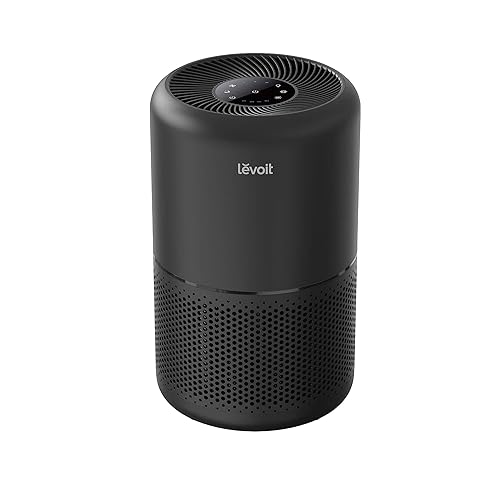
LevoitCovers Up to 1073 ft², 3-in-1 Filter with HEPA Sleep Mode, Remove Dust Pollen Smoke Pet Odor, AHAM VERIFIDE, Core300-P, Black Air Purifier for Home Pets Hair Allergies in Bedroom Quiet Purifiers
For more context on choosing a unit for allergy-prone rooms, see Top 5 Levoit Air Purifiers for Home Allergies Compared for Allergy-Prone Rooms and Would an Air Purifier Help With Allergies? What to Expect (2026). Buyers focused on pets may also find Levoit Pet Air Purifier: How to Choose and Set One Up (2026) useful, and anyone sizing a bedroom unit should read Levoit Core 300P Air Purifier: Setup, Room Size, and Filter Tips (2026).
FAQ
Will the Levoit Core 300 help with pollen allergies?
A HEPA filter is designed to capture pollen, which is typically several microns in size and well above the 0.3-micron test standard. Running the unit in a closed bedroom during high pollen days can reduce indoor exposure, although it will not stop pollen brought in on clothing or hair.
How big a room does the Core 300 cover?
The model family is generally rated for small to medium rooms, commonly cited at around 200 square feet. For the most reliable results, match the unit to the room you will use most and avoid relying on it for an entire open floor plan.
Is it quiet enough to run overnight?
Owners frequently describe the sleep or low setting as quiet enough for bedroom use. Higher fan speeds are noticeably louder, so most people run the unit on low or auto overnight and reserve higher speeds for daytime cleaning.
How often do the filters need replacing?
Follow the manufacturer’s stated replacement interval as a starting point. Homes with pets, heavy dust or regular cooking may need to replace filters sooner, and many owners check the filter visually every few months to decide.
Does it remove odors and smoke?
The activated carbon layer helps with many everyday odors, such as cooking smells and pet odors. Strong smoke or chemical fumes can overwhelm a modest carbon layer, so set expectations accordingly and consider a unit with a larger carbon load if that is your main concern.
Can I use it in a room with a pet?
Yes, and many owners buy it for that reason. Pet hair and dander are common triggers, and the pre-filter and HEPA stage catch much of it. Regular brushing and vacuuming still matter, because the purifier works best alongside those habits.
Does this unit replace a dehumidifier or humidifier?
No. A purifier cleans particles from the air but does not change humidity levels. If damp conditions or mold are part of your problem, address the moisture source and consider a dehumidifier or humidifier as a separate tool.
Should I see a professional about my allergies?
If your symptoms are severe, persistent, or include wheezing or breathing difficulty, consult a doctor or allergist before relying on any device. An air purifier can support treatment but is not a substitute for medical advice.
Final Verdict
The LEVOIT Air Purifiers for Home Allergies and Better Sleep, in the Core 300 family, is a sensible choice for a bedroom or small room where allergy symptoms and pet dander are the main concern. Its HEPA-based filtration, compact design and quiet sleep mode match what most buyers in this category are looking for. It is not built for large spaces, heavy odor problems or as a fix for humidity and ventilation issues, so it works best as one part of a broader plan. Check the current listing for the latest specifications and filter details before you buy.
Before you buy: helpful guides
Related reading
- Levoit Air Purifier for Home Allergies Pets Hair: 6 Best Picks
- 6 Best Levoit Air Purifiers for Home Allergies and Pets (2026)
About Graham Fisher
Graham Fisher is part of our editorial team and reviews and edits our indoor air guides, checking product details against manufacturer specifications and owner feedback.