 By Graham Fisher
Updated November 2026
The shark clean sense air purifier is a mid-range tower-style model from Shark aimed at bedrooms, nurseries and home offices rather than large open-plan living spaces. It is built around a HEPA-type filter and a sealed-room cleaning approach, and it is sold with the Clean Sense branding that Shark uses across its purifier lineup. This review looks at what the product is designed to do, what its listing and manufacturer materials specify, and where it fits best. Because this is a research-based review, the performance comments below draw on specifications and common patterns in owner feedback, not on any hands-on testing by us. Buy it if you want a quiet, compact unit for one room and you are willing to replace filters on schedule. Skip it if you need to clean a large open space, want a very low-maintenance filter, or are looking for a unit with extensive smart-home controls.

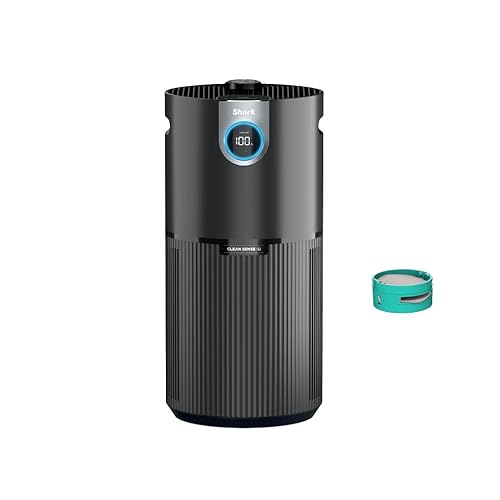
Shark Clean Sense Air Purifier Max, HP202, Black
Product Overview
The Shark Clean Sense Air Purifier Max (model HP202, black) is a freestanding air cleaner that draws room air through a multi-stage filter and pushes it back out into the room. The “Max” designation places it above the more basic Clean Sense units in Shark’s range, which generally means a higher rated coverage area and a more substantial filter assembly. Like most purifiers in this category, it is designed to run continuously at low speeds and step up when you need faster turnover, such as after cooking, cleaning or a visit from a pet-heavy guest.
The main job of any unit like this is to capture airborne particles: dust, pollen, pet dander, smoke particulates and some fine debris. Shark markets the Clean Sense line around general indoor air quality, and the HP202 is positioned as a room-size solution for bedrooms and medium living areas. If you are new to these machines, it helps to know that a purifier does not dehumidify, humidify or cool the room. It only moves and filters air. If your main concern is moisture or mold, you may want to read about dehumidifiers alongside any purifier purchase.
Before you buy, it is worth understanding how the unit fits into a broader strategy. Filtration works best when the room is reasonably sealed, when sources of pollution like smoking or candle use are reduced, and when the purifier is sized correctly for the space. For a broader look at what purifiers can and cannot do for allergy symptoms, see Would an Air Purifier Help With Allergies? What to Expect (2026).
Key Features & Specifications
The table below lists specifications that are reasonable to state based on the product name and the general design of Clean Sense units. Where a figure is not something we can confirm from the listing name alone, we have left it out rather than guess. Check the current manufacturer packaging or product page for the exact rated coverage, CADR and filter part numbers before purchase.
| Feature | Details |
|---|---|
| Model | HP202 (Clean Sense Air Purifier Max) |
| Color | Black |
| Brand line | Shark Clean Sense |
| Filtration type | HEPA-type multi-stage filter system |
| Intended use | Bedrooms, nurseries, home offices and similar medium rooms |
| Target pollutants | Dust, pollen, pet dander, smoke particulates and general airborne debris |
| Operation | Continuous low-speed running with higher speed settings for faster cleaning |
| Placement | Freestanding, floor or low-table placement with clear space around intake and outlet |
Confirm the exact square-footage rating, noise levels in decibels and CADR figure with the manufacturer before buying. Those numbers vary by model and by fan speed, and they are the most useful way to compare purifiers objectively. CADR, or Clean Air Delivery Rate, measures how much filtered air the unit delivers per minute for smoke, dust and pollen. A higher CADR means faster cleaning, but you still need to match the number to your room. A common rule of thumb is to look for a CADR at least two-thirds of the room’s area in square feet, though many people choose a higher figure for pets or allergies.
Pros & Cons
Pros
- Compact tower-style footprint that fits beside a bed, desk or nursery crib without dominating the room.
- Designed for bedrooms and smaller rooms, where a quiet low-speed setting matters most for sleep.
- HEPA-type filtration targets fine particles that many basic fan-style cleaners miss.
- Multi-stage design means pre-filtering of larger particles can extend the life of the finer filter layers.
- Clean Sense line filters are widely available, which makes ongoing replacement simpler than with some niche brands.
- Works well as a supplement to ventilation and cleaning routines rather than as a standalone fix.
Cons
- Not suited to large open-plan spaces, where a higher-CADR unit will clean the air faster.
- Filters are a recurring cost, and replacement timing depends on your home’s dust and pet load.
- Like most purifiers, it does not remove gases, VOCs or humidity, so it is not a complete solution for odors or mold.
- Owners who expect silent operation at the highest fan speed often report that the unit is noticeable.
- Limited smart-home or app functionality compared with some competing models.
Performance Analysis
Performance for any air purifier comes down to three things: whether the rated coverage matches your room, whether the filter is in good condition, and whether the unit actually runs enough. The HP202 is built for medium rooms, so it makes sense in a bedroom or office, but it will take noticeably longer to clean a living room or open kitchen-dining area. If your room is larger than the rated area, run the unit on a higher setting and expect slower results, or consider a larger model entirely.
Owner feedback patterns for units in this family tend to center on three themes. First, people often notice a difference in dust settling on furniture and fewer visible particles in sunlight within the first week or two, though results vary with household conditions. Second, pet owners frequently report that the unit helps with the fine dander that floats around after grooming or bedtime, but they also say filter replacement becomes more frequent. Third, some reviewers mention that the fan is audible at higher speeds, which is typical for purifiers of this size, and that low settings are close to silent for most sleepers.
It is important to be realistic about what filtration can do. A purifier reduces airborne particles that pass through its intake, but it does not fix leaks, remove the source of dust, or eliminate every allergen. For allergy sufferers, the most reliable results usually come from combining filtration with bedding washing, vacuuming with a sealed machine and controlling humidity. If you are looking at mold or moisture, see Will an Air Purifier Help With Mold? What Works and What Doesn't before relying on any purifier alone.
Filter maintenance is another performance factor. A clogged filter reduces airflow and can make the unit louder while doing less. Check the indicator if your model has one, inspect the pre-filter monthly, and replace the main filter on the schedule Shark specifies. For a detailed walk-through of filter types and replacement habits, read Shark Air Purifier Filter: How to Choose, Replace and Care for It (2026).
Who Should Buy This Product?
This purifier makes the most sense for a specific set of buyers. If you want to improve the air in a bedroom, a nursery, a home office or a dorm-sized space, and you want a unit that stays fairly quiet on low speed, it is a reasonable choice. Households with one or two pets, people with mild seasonal allergies, and anyone who wants a simple on-off-speed control without a complicated app will likely find it practical.
You should probably skip this unit if you need to clean a large open room quickly, if you are dealing with heavy cooking smoke or strong chemical odors, or if your main issue is humidity or mold. In those cases a larger purifier with a higher CADR, a carbon-heavy filter or a separate dehumidifier will serve you better. If you have asthma, severe allergies or a respiratory condition, consult a doctor or allergist before relying on any air cleaner as part of your treatment plan.
Buying Guide
Before buying any purifier, measure your room. Multiply length by width to get square footage, then compare that number to the rated coverage on the box. If the room is larger, choose a higher-capacity model. If you have pets, smokers or heavy dust, step up one size. Pay attention to the CADR figure and the noise rating at your preferred fan speed, because those two numbers tell you more about real performance than marketing language.
Next, check the filter. Ask yourself how often you will replace it, whether replacement filters are easy to find, and what they cost to keep running over a year. A purifier with a cheaper sticker price can end up costing more over time if its filters wear out quickly. Look at filter life ratings and the availability of genuine parts. Consider whether you want a washable pre-filter, which can reduce maintenance, though washable pre-filters still need the main HEPA layer replaced on schedule. If you are weighing that choice, see Washable Air Purifier Filter: Care Steps, Limits and Buying Tips.
Finally, decide what extras matter to you. Some buyers want an air quality indicator, a sleep mode, a timer or app control. Others prefer a simple button layout that is easy to use without reading a manual. Both approaches are valid. If you are comparing several well-known options, these alternatives are worth a look:
- Shark500 Sq Ft Clean Sense Air Purifier, HP102 (white): a compact sibling in the same family, suited to bedrooms and smaller home offices where a lower rated coverage is enough.

Shark500 Sq Ft, Bedroom, Nursery, Home Office, Dorm, HEPA-Exceeding Filter, Captures Pollutants, Pet Dander, Dust, Odor, and More Clean Sense Air Purifier, HP102, White
- Shark HEPA-Exceeding Clean Sense Air Purifier with Odor Neutralizer, HP232 (black): a larger-coverage option aimed at bigger rooms, with added odor-control positioning for households dealing with smoke or cooking smells.
SharkHEPA-Exceeding Filter, 1,200 Sq. Ft. for Large Room, Bedroom, Captures Pollutants, Pet Dander, Dust, Odor, Smoke, and More Clean Sense Air Purifier with Odor Neutralizer, HP232, Black
If you want a broader comparison of room-size picks across brands, Top 7 HEPA Room Air Purifiers Worth Considering in 2026 covers a range of options. For smoke-specific buyers, Top 7 Best Air Purifiers for Removing Smoke with HEPA and Carbon Filters (2026) is a useful next step.
FAQ
Is the Shark Clean Sense Air Purifier Max good for bedrooms?
It is designed with bedrooms in mind. Running it on a low setting overnight is a common approach, and the compact tower footprint fits beside most beds. Check the decibel rating for the speed you plan to use while sleeping.
How often should I replace the filter?
Follow the replacement interval Shark specifies for your model, and check the filter indicator if one is included. Homes with pets, smokers or heavy dust usually need replacements sooner than the baseline recommendation.
Can it remove odors and smoke smell?
A HEPA-type filter captures particles, which helps with smoke particulates, but it does not eliminate gaseous odors on its own. Models positioned with odor-neutralizing features, such as the HP232 listing, are better suited to that job, though results still depend on the source and room size.
Will it help with allergies?
It can reduce airborne allergens like pollen, dust and pet dander in the room where it runs. It will not cure allergies, and it works best alongside regular cleaning, bedding care and humidity control. Talk to an allergist if symptoms persist.
Is it loud?
Noise depends on fan speed. Owners generally find low settings quiet enough for sleep, while higher settings are more noticeable. Check the manufacturer’s decibel figures for the exact model before buying.
Does it need to be left running all the time?
Continuous low-speed operation is the most effective way to keep particle levels down, since dust and allergens keep circulating. Many owners run the unit around the clock on low and raise the speed during cooking or cleaning.
Is it a good choice for a large living room?
Probably not. The HP202 is sized for medium rooms. For a large open space, look at a higher-coverage model or run two units in separate zones.
Final Verdict
The Shark Clean Sense Air Purifier Max is a sensible, compact choice for bedrooms, nurseries and home offices where quiet operation and HEPA-type filtration matter more than raw cleaning speed. It is not the right tool for large open spaces, humidity problems or heavy odor sources, and its ongoing filter cost should be part of your budget planning. Match it to a room that fits its rated coverage, keep the filter on schedule, and combine it with good cleaning habits and you will get the most out of it.
About Graham Fisher
Graham Fisher is part of our editorial team and reviews and edits our indoor air guides, checking product details against manufacturer specifications and owner feedback.