By Graham Fisher
Updated November 2026
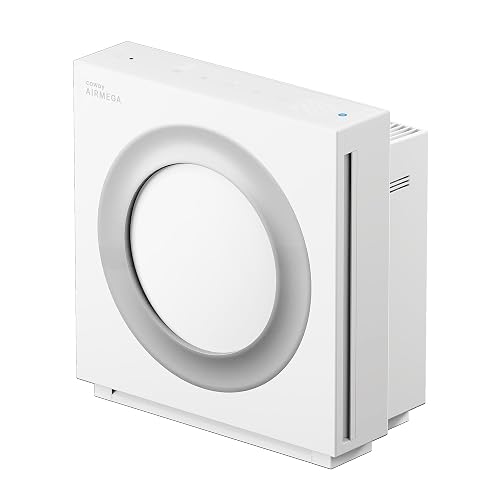
If you are shopping for a levoit air purifier for pet allergies, the Levoit Vital 200S-P is one model that gets a lot of attention for its quiet operation, HEPA filtration, and coverage of larger rooms. It suits pet owners who want a bedroom or living room unit that runs at low noise overnight and tracks air quality. It is less of a fit for people with very large open-plan spaces, those who need a unit with a long track record of hands-on lab testing, or buyers who want the lowest possible filter running cost. Read the specs and owner patterns below before you decide.

Levoit Smart Air Purifier for Home Large Room up to 1875 Ft² Vital 200S-P | For Quiet Bedroom at 27dB, AHAM VERIFIDE, Air Quality Monitor, HEPA Sleep Mode for Allergies, Pet Hair and dander, White
Product Overview
The Levoit Vital 200S-P is a tower-style air purifier from Levoit, a brand that sells a broad line of HEPA units aimed at homes with pets, dust, and seasonal allergies. Its product name points to coverage for rooms up to about 1,875 square feet, a sleep mode for quiet operation, a built-in air quality monitor, and HEPA filtration aimed at pet hair and dander. The listing states AHAM Verifide certification, which means the unit’s clean air delivery rate has been verified through the Association of Home Appliance Manufacturers program.
The unit is designed for continuous, all-day running rather than occasional use. For pet households, that matters because dander is shed constantly, and a purifier that only runs when you remember to switch it on will not keep up. Most of the value comes from its ability to run quietly in a bedroom or living area while pets are present.
A quick note on scope: this review is based on the manufacturer’s listed specifications and on patterns commonly reported by owners. It does not describe hands-on testing or lab measurements that I performed.
Key Features & Specifications
The table below lists only the characteristics named in the product listing or widely associated with this model. Where a specific figure is not confirmed in the listing, it is left out rather than estimated.
| Feature | What It Means for Pet Owners |
|---|---|
| Coverage up to 1,875 sq ft (per listing) | Suited to large open-plan living areas, with the caveat that the manufacturer’s coverage figure assumes a specific air change rate. |
| HEPA filtration | True HEPA media captures fine particles such as pet dander and pollen, which are common triggers. |
| Sleep mode | Lowers fan speed and display brightness for quieter overnight operation. |
| Quiet operation (27dB at lowest setting, per listing) | Low noise makes it practical in bedrooms. |
| Air quality monitor | Gives a live read of particle levels so you can see when the room needs more filtration. |
| AHAM Verifide certification | Independent verification of clean air delivery rating for the stated room size. |
| Pet hair and dander focus | Marketed for households with cats and dogs. |
Before buying, check the current filter replacement interval and the exact replacement part number in the listing. Filter cost of ownership over a year is often a larger expense than the purchase itself, so calculate it from the replacement schedule the manufacturer publishes.
Pros & Cons
Pros
- HEPA filtration targets pet dander and hair, the main allergens in pet homes.
- The listed quiet rating and sleep mode make it workable in a bedroom overnight.
- Built-in air quality monitoring helps you judge when filtration is working.
- Coverage claims for larger rooms give more flexibility than compact units.
- AHAM Verifide certification gives a verified reference point for clean air delivery.
Cons
- Large-room coverage depends on the manufacturer’s stated air change assumptions, so results in very high-ceiling or open spaces may fall short.
- Ongoing HEPA filter replacement adds a recurring cost that is easy to underestimate.
- A tower design needs floor space and a clear path for airflow.
- Owners who want independent lab testing data will need to look beyond the listing itself.
Performance Analysis
Performance for pet allergies depends on three things: the unit’s clean air delivery rate relative to room size, how consistently it runs, and how well the filter captures the particles that trigger symptoms. The listing points to AHAM Verifide certification, which is the most useful performance reference available to buyers because it is an independent verification process rather than a marketing claim.
Owners commonly describe the sleep mode as the feature that matters most in bedrooms, since a purifier that is too loud is simply switched off at night. Reports of the air quality monitor tend to be positive when people use it as a trend indicator, watching for spikes after pets move around, vacuuming, or opening doors, rather than as a precise lab instrument.
The most consistent caution in owner discussions concerns realistic expectations. A purifier reduces airborne dander but does not remove allergens from carpet, bedding, or pet fur, so pairing the unit with regular grooming, washing pet bedding, and vacuuming with a HEPA vacuum produces better results than the purifier alone. Keep the unit running on a higher setting for a few hours after cleaning or after pets have been active in a room.
Who Should Buy This Product?
The Levoit Vital 200S-P makes sense for households with one or more cats or dogs, especially where a bedroom or main living area is where allergy symptoms are worst. It also fits people who want a quiet unit they can run all day and night, and who value the convenience of an air quality readout.
You should skip this model if you need a purifier for a very large open-plan space with high ceilings and no room divisions, if you want a model with published third-party lab data beyond the listing, or if you are looking for the lowest possible long-term filter cost. A unit sized more closely to your room, or a compact model for a single bedroom, may serve you better.
Buying Guide
Before you buy any purifier for pet allergies, start with the room you want to clean. Measure length and width, multiply to get square footage, and compare it to the unit’s rated room size. Most manufacturers assume a specific number of air changes per hour, so a unit rated for a large room will usually perform better in a moderately sized one. Ceiling height also matters: a standard 8-foot ceiling holds less air than a 10-foot ceiling in the same footprint.
Next, look at the filter. Confirm that the unit uses true HEPA media, check the replacement interval, and estimate the cost of the replacement filter over one year. Pet households often replace filters on a shorter cycle than the manufacturer’s baseline because of heavier dander loads, so build that into your calculation.
Finally, compare noise and placement. Check the listed decibel range at the setting you will use most, and make sure the unit can sit at least a few feet from walls and furniture for proper airflow. If you have a cat that likes to climb, choose a model with a stable base and keep it out of reach.
If you want alternatives within the same product family, two well-known options are worth comparing. The LevoitQuiet HEPA Sleep Mode model with the Core300-P designation is a smaller-room option suited to a single bedroom:

LevoitQuiet HEPA Sleep Mode, Remove 99.97% Dust Pollen Smoke Pet Odor, AHAM VERIFIDE, Core300-P, Up to 1073 ft², White Air Purifier for Home Pets Hair Allergens in Bedroom Quiet Purifiers
The LevoitCovers 3-in-1 Filter model with the same Core300-P designation and a black finish is a similar choice for a bedroom with a different finish and filter configuration:
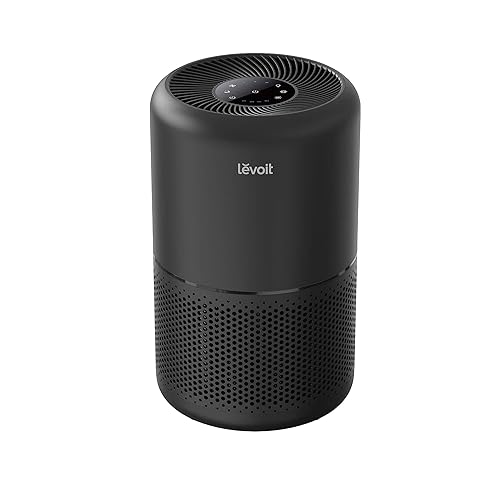
LevoitCovers Up to 1073 ft², 3-in-1 Filter with HEPA Sleep Mode, Remove Dust Pollen Smoke Pet Odor, AHAM VERIFIDE, Core300-P, Black Air Purifier for Home Pets Hair Allergies in Bedroom Quiet Purifiers
For more options across brands and room sizes, see 5 Best Levoit HEPA Air Purifiers for Allergies and Pets (2026) and Levoit Pet Air Purifier: How to Choose and Set One Up (2026). If you want a wider comparison of pet-focused units, 6 Best Air Purifiers for Allergies and Pets (2026): Our Picks covers several categories.
FAQ
Does a levoit air purifier for pet allergies remove pet hair from the air?
HEPA filters capture airborne pet hair and dander particles, which reduces what you breathe. Loose hair on floors and furniture still needs regular vacuuming and grooming.
Can I run the Vital 200S-P in my bedroom overnight?
The listing points to a sleep mode and a low decibel rating at its quietest setting, which is why many owners use it in bedrooms. Check the decibel figure at your chosen fan speed before you commit.
How often do I need to replace the HEPA filter?
Follow the replacement interval in the manufacturer’s documentation. Homes with several pets or heavy shedding often replace filters sooner than the baseline schedule suggests.
Is the air quality monitor accurate enough for medical decisions?
The monitor is useful for spotting trends and seeing when particle levels rise. It is not a medical or lab-grade instrument, so do not rely on it alone for health decisions.
Will this purifier stop my allergy symptoms completely?
Air purifiers reduce airborne triggers but rarely eliminate symptoms on their own. Combine filtration with cleaning, bedding washes, and grooming for better results.
Is it safe to run the unit around cats and dogs?
Keep the unit on a stable surface, out of reach of pets that climb, and check cords regularly so nothing can be chewed or tugged.
How does this compare to a smaller Levoit model for one room?
A smaller model suits a single bedroom and costs less to run per year in filters. A larger unit like this one is better for open living areas where a single bedroom model would need to run at higher speed to keep up.
If you have persistent symptoms, asthma, or a diagnosed allergy, talk with a physician or allergist before relying on any device to manage your condition.
Final Verdict
Is the Levoit Vital 200S-P worth it for pet allergies?
For pet owners who want HEPA filtration, a quiet sleep mode, and coverage for larger rooms, the Levoit Vital 200S-P is a practical option to consider. Its strongest points are the combination of filtration, quiet operation, and built-in air quality monitoring. Its main drawbacks are the reliance on manufacturer coverage claims for large spaces and the ongoing filter cost. Pair it with regular cleaning and grooming, and match the unit size to your room, and it can be a sensible part of an allergy plan.
Before you buy: helpful guides
About Graham Fisher
Graham Fisher is part of our editorial team and reviews and edits our indoor air guides, checking product details against manufacturer specifications and owner feedback.