 By Graham Fisher
Updated November 2026
The Santa Fe Compact70 dehumidifier is aimed at people who want a 70-pint-class unit for a basement, a finished lower level, or a large room that stays damp most of the year. It suits buyers who want a standard drain-and-tank setup, a unit that can run continuously with a hose, and a machine they can set and mostly forget. It is a weaker fit for anyone who needs whole-house coverage in a very large or very wet space, anyone who wants smart-home control or detailed humidity logging, or buyers who would rather pay for a model with a strong, widely documented service network. The sections below walk through what the unit is, what its specifications suggest, where it has clear strengths and limits, and how to decide whether it belongs on your short list.

Santa Fe Compact70 Dehumidifier
Product Overview
The Santa Fe Compact70 is a portable dehumidifier from the Santa Fe brand, a name more often associated with compact household appliances than with commercial-grade equipment. The “70” in the model name refers to the pint-per-day rating used across the dehumidifier category, which is the number manufacturers use to indicate how much water a unit can remove from air under standard test conditions. A 70-pint rating places it in the larger residential class, above the 50-pint units that most people buy for a single basement room and below the industrial machines sold for crawl spaces and commercial work.
Units in this class are usually built around a compressor and refrigerant coil. Room air is pulled across a cold evaporator coil, moisture condenses onto the coil and drips into a collection bucket or drains through a hose, and the dried air is warmed slightly by the condenser before being pushed back into the room. Like most machines of this type, the Compact70 is designed to be placed on a floor, against a wall with clearance on all sides, and run with the humidity setting you choose. Owners generally use it in basements, laundry areas, rooms with poor ventilation, and spaces where musty odors or condensation on windows have become a recurring problem.
Because the product is sold through Amazon, buyers should check the current listing for the exact feature set, warranty terms, and included accessories, since these can differ between sellers and over time. The information in this review focuses on what the model name and product category reliably indicate, and on patterns that show up across general owner experience with dehumidifiers of this size.
Key Features & Specifications
The table below lists the specifications that can be stated with reasonable confidence from the product name and the standard features of its class. Where a detail is not clearly established, it has been left out rather than estimated. Confirm anything you need for a purchase decision on the live listing before ordering.
| Specification | What It Means |
|---|---|
| Capacity class | 70-pint rating, the pints-per-day moisture removal figure used in the category |
| Unit type | Portable, compressor-based refrigerant dehumidifier |
| Water collection | Onboard bucket with a drain option for continuous operation with a hose |
| Humidity control | Adjustable target humidity setting, typically with an automatic shutoff when the bucket is full or the target is reached |
| Placement | Floor-standing; needs clearance around the intake and exhaust so air can circulate |
| Best-fit space | Larger basements, finished lower levels, and multi-room areas with an open layout |
Two points deserve attention before you buy. First, the pint rating is measured under standardized conditions, usually at a specific temperature and relative humidity. Real-world output in a cool, damp basement in spring can be lower than the label suggests, and it can be higher in a warm, humid room in summer. Second, the bucket capacity and the way a unit handles a full tank vary by model, so check whether the Compact70 supports continuous draining before you plan around it for a crawl space or a room you cannot empty daily.
Pros & Cons
Pros
- The 70-pint class gives more moisture-removal headroom than the 50-pint units many people buy first, which matters in basements with persistent dampness.
- Drain-hose operation, where supported, lets the unit run unattended for long stretches without emptying the bucket by hand.
- Adjustable humidity targets let you hold a set level rather than running the machine at full output all the time, which can reduce energy use.
- A floor-standing portable design means no installation, so you can move it between rooms or put it away for the off-season.
- The product name and category are straightforward to compare against well-established alternatives, which makes side-by-side shopping easier.
Cons
- Brand recognition in dehumidifiers is narrower than with some larger manufacturers, so buyers should check warranty terms and service options before purchase.
- Output at lower room temperatures drops, a limitation shared by most refrigerant dehumidifiers, and a cold basement may see less effect than the pint rating implies.
- Like other units in this size, it is heavy and bulky to move, and the bucket can be awkward to carry when full if you are not using a drain hose.
- Noise and vibration are common complaints with compressor units of this capacity, and placement near a bedroom or home office can be a problem.
- Detailed smart features, app control, and advanced humidity logging are not a standard expectation for this type of unit and should not be assumed.
Performance Analysis
Performance for a dehumidifier comes down to three things: how much water it can remove under the conditions you actually have, how consistently it holds the target humidity, and how much noise and energy it uses while doing so. Based on the 70-pint class and the general design of compressor-based portable units, the Compact70 should be considered a strong option for a basement or lower-level space of moderate size, provided that space is not excessively large or excessively cold. Manufacturers typically rate capacity at a reference condition such as 80 degrees Fahrenheit and 60 percent relative humidity. If your basement sits closer to 65 degrees and 70 percent humidity, expect noticeably lower removal and longer run times.
Owner feedback patterns for units in this category tend to follow a consistent script. Buyers who sized their purchase to the room, ran the machine on a humidity target around 45 to 50 percent, and kept the coil and filter clean generally report that musty smells fade within days and that window and wall condensation stops. Buyers who expected a 70-pint unit to dry a very large, very cold, or poorly sealed space often report that the machine runs nearly constantly without fully reaching the target. Noise complaints usually come from placement, not from the unit alone: a dehumidifier pushed against a wall or set on a hard floor in a quiet room will sound louder than the same machine in a utility area with clearance on all sides.
Energy use is the other variable worth planning for. A compressor dehumidifier of this size draws meaningful power when running at full output, so continuous operation in summer can add noticeably to an electric bill. Setting a reasonable humidity target, closing doors and windows during operation, and using the auto-shutoff rather than running it around the clock are the most reliable ways to control that cost. Treat any specific cost estimate you find elsewhere as dependent on your local electric rate and your climate, and calculate it from the unit’s wattage and your own run hours if precision matters.
For mold concerns, a dehumidifier is one part of the solution rather than a complete fix. Lowering humidity below roughly 50 percent slows mold growth, but it does not remove existing mold, and it cannot correct a leak, poor drainage, or a wet building envelope. Anyone dealing with visible growth or a moisture source should address the source first and consider a professional assessment for extensive contamination.
Who Should Buy This Product?
The Santa Fe Compact70 is a reasonable choice for homeowners and renters who have a single damp area of moderate size and want more capacity than a 50-pint unit provides. It fits basements that feel musty most of the year, laundry rooms and utility spaces with poor airflow, and lower-level family rooms where humidity makes the air feel heavy. It also suits people who plan to run a drain hose to a floor drain or sump area, since continuous operation is where a larger-capacity unit earns its keep.
Skip this unit if the space you need to dry is very large, if the room is consistently cold, or if you need whole-house or crawl-space coverage with strict humidity control. Buyers who want app connectivity, detailed humidity history, or a model from a manufacturer with an extensive, widely documented service network should look at other brands first. Anyone with a serious, active moisture problem, such as water intrusion or structural dampness, should fix the source before relying on any dehumidifier alone.
Buying Guide
Before choosing a 70-pint dehumidifier, measure the space and note its typical conditions. Multiply length by width by ceiling height to get cubic feet, then consider how cold and how humid the room gets in the season you most need dehumidification. A large, cold, leaky basement needs more capacity than a warm, sealed room with a single humidity source, and a unit sized to the room will run more efficiently and hold its target better than one that is oversized or undersized.
Next, decide how you will handle water. A unit with a drain-hose option lets you run it continuously, which is the best choice for basements and crawl spaces. If you cannot route a hose, look for a large, easy-to-empty bucket and plan to check it daily during peak season. Confirm whether the unit has an automatic shutoff when the tank is full, and whether it supports a continuous-drain mode, since these two features determine how much attention the machine needs.
Finally, weigh the brand and warranty. Dehumidifiers are a maintenance-heavy appliance, and filter replacement, coil cleaning, and occasional repairs will matter over the life of the unit. A clear warranty and a responsive support channel are often worth more than a small difference in pint rating. Check the return policy and the seller’s reputation before you buy.
Two well-known alternatives are worth comparing if the Compact70 does not match your needs. The first is a larger-capacity industrial-style unit for whole-house or very large basement use:

Max 105 Pint/D, Industrial Dehumidifier with Drain Hose for Basement, Home, Crawl Space, Whole House, Large Room, Under House AEOCKY 6000Sq.Ft Commercial Dehumidifier, Energy Star Most Efficient 2024
The second is a mid-high capacity model with an intelligent humidistat, suited to a large room or basement where you want tighter humidity control:
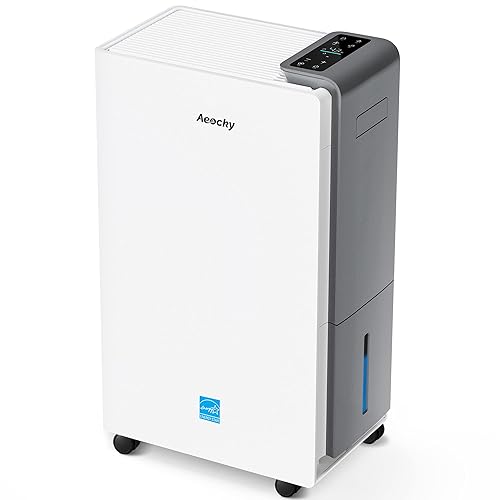
Max 80 Pint/D, Dehumidifier with Drain Hose for Home, Large Room, Bedroom, Bathroom, Intelligent Humidistat AEOCKY 5500 Sq.Ft Energy Star Most Efficient 2025 Dehumidifier for Basement
Both options are sized differently from the Compact70, so match the pint rating and the coverage area to your space rather than choosing by name alone.
For more context on sizing and setup, see Frigidaire 50 Pint Dehumidifier: Setup, Sizing, and Maintenance Guide and Most Efficient Dehumidifier for Basement: 7 Best Picks Compared (2026). If your concern is mold, Would a Dehumidifier Help With Mold? Causes, Limits and Steps (2026) explains what a unit can and cannot address. For energy planning, Does a Dehumidifier Use a Lot of Electricity? Costs and Savings covers how to estimate running cost from your own usage.
FAQ
Is the Santa Fe Compact70 big enough for a basement?
For a basement of moderate size with typical dampness, a 70-pint-class unit usually provides enough capacity. For very large, very cold, or leaky spaces, a larger unit or a second machine may be needed. Compare your square footage and typical room conditions against the rating before deciding.
Can I run it continuously with a drain hose?
Many dehumidifiers in this class support continuous draining with a hose to a floor drain or sump. Confirm that the specific model supports this on the product listing or in its manual before planning around it.
How loud is a 70-pint dehumidifier?
Compressor units of this size produce a steady hum and some vibration. Placing the unit on a rug or mat, keeping clearance around it, and avoiding placement near bedrooms will reduce how noticeable it is. Exact decibel ratings should be checked on the official specifications.
What humidity level should I set?
Most homes do well between 40 and 50 percent relative humidity. Going much lower can dry the air uncomfortably and run the unit longer than necessary, while staying above 60 percent encourages mold and dust mites.
Will it stop mold on its own?
Lowering humidity slows mold growth but does not remove existing mold or fix the moisture source. Address leaks, drainage, and ventilation first, and consult a professional for extensive or hidden mold.
How often do I need to clean or replace the filter?
Check the filter monthly during heavy use and clean it when it looks dusty. Replace it according to the manufacturer’s guidance. Clean the coils periodically to keep output steady.
Does it use a lot of electricity?
Compressor dehumidifiers draw meaningful power when running at full output, so energy use depends on your run hours, your humidity target, and your local electric rate. Calculate your own estimate from the wattage on the label.
Is it a good choice for a crawl space?
It can work in a crawl space that is accessible and has drainage, but crawl spaces are often colder and harder to vent. Consider a unit designed for that environment if the space is large or very damp, and consult a professional for structural moisture problems.
Final Verdict
The Santa Fe Compact70 is a sensible, mid-to-large capacity portable dehumidifier for a moderate basement, lower level, or utility area that stays damp, provided you size it to the room and plan for the maintenance and noise that come with any compressor unit. It is a good fit for buyers who want continuous operation through a drain hose and a straightforward setup. It is less suitable for very large or cold spaces, for whole-house coverage, or for anyone who wants smart features and a deep service network. Verify the specifications, warranty, and drain options on the live listing before you buy, and fix any moisture source first for the best results.
Related reading
About Graham Fisher
Graham Fisher is part of our editorial team and reviews and edits our indoor air guides, checking product details against manufacturer specifications and owner feedback.