By Graham Fisher
Updated November 2026
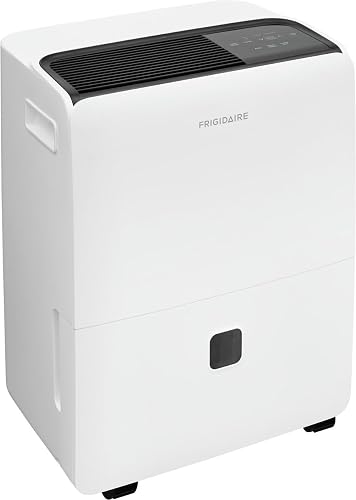
A frigidaire 50 pint dehumidifier is rated to remove up to 50 pints of moisture from the air in a day under standard test conditions. This guide explains what that rating means, how to match the unit to your space, and how to set it up, run it, and keep it working well. By the end, you will know how to pick the right capacity, get the best performance from the machine, and avoid the mistakes that cause most dehumidifier complaints.
What the 50 Pint Rating Actually Means
The pint rating on a dehumidifier refers to how much water the unit can extract from the air in 24 hours. Manufacturers measure this under controlled conditions, usually at 80°F and 60% relative humidity, which is a fairly humid day. Real-world output will be lower in cooler or drier rooms because the air holds less moisture and the refrigeration coil works less efficiently.
Frigidaire lists its 50 pint models as capable of removing that amount under test conditions, so treat the number as a ceiling rather than a daily promise. If your basement is at 65°F and 70% humidity, expect noticeably less water removal than the rating suggests. That is normal and does not mean the unit is defective.
Step 1: Size the Dehumidifier for Your Space
Capacity matters more than almost any other specification. A unit that is too small will run constantly and never reach your target humidity. A unit that is too large for a small room will cycle on and off, which wastes energy and can leave the air feeling clammy.
Measure the Room
Multiply the room’s length by its width in feet to get square footage, then multiply by the ceiling height to get cubic feet. A basement measuring 30 feet by 40 feet with 8-foot ceilings has 9,600 cubic feet of air. The 50 pint class is generally suited to larger, damp areas such as full basements, large open living spaces, or whole-floor coverage in humid climates.
Match the Capacity to Conditions
| Condition | Suggested Starting Point |
|---|---|
| Mildly damp room, moderate climate | 30 to 35 pints |
| Damp basement or large humid space | 50 pints |
| Very humid climate, severe moisture problem | 50 pints, possibly with a second unit |
| Small closed room or closet | Smaller unit is usually better |
If your home has a persistent water issue such as seepage, a plumbing leak, or standing water, fix the source first. A dehumidifier controls moisture in the air but cannot stop water entering from outside.
Step 2: Set Up the Unit Correctly
- Place the unit on a flat, level surface that can bear its weight when full of water.
- Leave at least 12 inches of clearance around the intake and exhaust grilles so air can flow freely.
- Keep it away from walls and furniture on all sides, and avoid corners where airflow gets trapped.
- Position it near the source of humidity when possible, such as near a basement stairwell or laundry area.
- Plug it into a dedicated outlet if you can. Dehumidifiers draw significant current, and sharing a circuit with other large appliances can trip breakers.
- Check the manual for the recommended setting, usually between 40% and 50% relative humidity for most homes.
Step 3: Choose Between Bucket and Continuous Drain
A 50 pint unit typically has a large onboard bucket, but in a damp basement you may fill it faster than you expect. Most owners find that a continuous drain saves a great deal of trouble.
Using the Bucket
When the bucket fills, the unit will shut off and usually display a full-tank indicator. Empty it promptly, because a full bucket stops the compressor and humidity climbs again. Carry it carefully, since a 50 pint reservoir weighs well over 40 pounds when full.
Setting Up Continuous Drainage
- Obtain a length of garden hose or the drain hose recommended in your manual.
- Attach it to the drain outlet at the back of the unit and secure the connection.
- Run the hose downhill to a floor drain, sump pump basin, or outdoor drainage point.
- Avoid kinks, loops that trap water, and any upward sections longer than the manual allows.
- Remove the bucket or confirm the drain setting, since many units will not drain continuously with the bucket in place.
Step 4: Run and Monitor the Dehumidifier
Once the unit is running, check the humidity reading on the display and adjust the target setting. Running the dehumidifier with doors and windows closed gives the best results. Opening a basement window during a humid afternoon can let in more moisture than the unit removes.
Expect the compressor to run often during the first few days, since it is pulling down moisture that has built up over weeks or months. Once humidity reaches your setpoint, the cycle should slow down considerably.
Step 5: Clean and Maintain the Filter and Coils
Dust and lint restrict airflow and reduce efficiency. Check the air filter every few weeks, especially in basements where dust is common. Rinse a washable filter in lukewarm water, let it dry fully, and reinsert it. Wipe the exterior and inspect the coil area occasionally with a soft brush and a vacuum on low suction.
Clean the water bucket at least monthly. Wash it with mild soap and water, then rinse thoroughly. This prevents odors and the slime that grows in standing water.
Recommended gear
- Replacement or extra drain hose: A standard garden hose of the right diameter lets you run continuous drainage to a floor drain without buying specialized parts. View on Amazon
- Digital hygrometer: A small monitor placed where the dehumidifier cannot influence it shows true room humidity so you can check whether the unit is performing as expected. View on Amazon
- Dehumidifier filter replacement: Keeping a spare filter on hand means you can swap it during cleaning without waiting. View on Amazon
Common Mistakes
- Sizing too small for a large basement, then wondering why the unit never catches up.
- Leaving the bucket full and not realizing the unit has stopped working.
- Placing the unit against a wall or inside a closet where airflow is blocked.
- Setting the target humidity too low, which can make the air feel dry and stress the compressor.
- Using a drain hose that runs uphill or sags into a low loop that traps water.
- Ignoring a dirty filter, which quietly cuts capacity over time.
Tips for Better Results
Keep interior doors open so the dehumidifier can draw moisture from the whole area. Run it continuously during wet seasons rather than in short bursts. If the room smells musty even when humidity reads normal, look for mold or water damage that the unit cannot solve on its own. For a broader view of how dehumidifiers compare with other indoor air tools, see Best Dehumidifiers and Air Dehumidifier vs Air Purifier (2026): Which Is Better for Your Home?
If you have allergies and want to decide whether a dehumidifier or a purifier will help more, Air Purifier or Dehumidifier for Allergies (2026): Which Is Better? walks through the tradeoffs. For a wall-mounted alternative with a different footprint, HWD-45 Wall Mounted Horizontal Dehumidifier Review (2026) covers that style of unit. If you need both moisture control and filtration in one space, Dehumidifier Air Purifier Combo: How to Choose One That Works (2026) explains what to look for.
FAQ
How much water will a 50 pint Frigidaire dehumidifier actually collect?
Under standard test conditions of about 80°F and 60% humidity, it can remove up to 50 pints in 24 hours. In cooler or drier rooms, actual output will be lower.
Can I run it continuously while sleeping?
Yes, as long as the bucket or continuous drain is handled and the room is ventilated normally. Check your manual’s guidance on overnight operation and noise levels.
Where should I set the humidity level?
Many homes do well between 40% and 50% relative humidity. Going much lower can dry out the air and make the unit run harder than necessary.
Why does the unit keep shutting off?
The most common causes are a full bucket, a clogged drain hose, or the room already reaching the target humidity. Check the display for error codes and the bucket status first.
Can I run the drain hose to a sink?
Only if the sink connects to drainage and the hose can be routed downhill without kinks. A floor drain or sump pump is generally more reliable.
How often should I clean the filter?
Check it every two to four weeks in typical use, and more often in dusty basements or during heavy operation.
Do I need an electrician to install a dedicated outlet?
If you are unsure whether your circuit can handle the load, consult a licensed electrician before adding a new outlet or changing wiring.
Conclusion
A frigidaire 50 pint dehumidifier can handle large, persistently damp spaces when it is sized correctly and set up with good airflow. Measure your room, choose a drainage method that suits your space, and keep the filter and bucket clean. Those basic steps account for most of the performance you will get from the unit.
Ready to choose one?
About Graham Fisher
Graham Fisher is part of our editorial team and reviews and edits our indoor air guides, checking product details against manufacturer specifications and owner feedback.