By Graham Fisher
Updated November 2026
An air purifier in duct sits inside your HVAC system and cleans air as it circulates through every room, so you do not need a separate unit in each space. This guide compares six in-duct options, sorted by how well they fit common needs: whole-home coverage, UV germicidal support, odor and gas reduction, and installation effort. Our selection looked at manufacturer specifications, how well each design matches standard residential ductwork, brand reputation, and patterns in owner feedback. We did not test these units ourselves, so treat the notes below as a research summary rather than hands-on results.
Our top picks at a glance
- 1
 TOP CHOICEBest overallAerus Air Scrubber Induct 2000View on Amazon
- 2
 TOP CHOICEBest for whole-home ionizationLatest Model RGF Reme Halo (24 Volt) In-Duct Air Purifier SystemView on Amazon
- 3
 TOP CHOICEBest for UV germicidal supportAPCO Carbon Cell Matrix HVAC UV Air PurifierView on Amazon
- 4
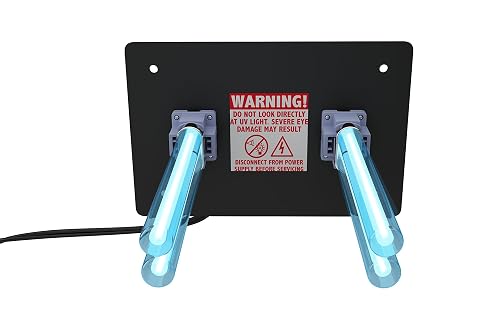 Best for small HVAC systemsREKO Lighting R2000 Air Purifier Whole House UV Light in DuctView on Amazon
- 5
 Best for odors and VOCsAir Health Haven Plus HVAC Air PurifierView on Amazon
- 6
 Best budget pickWhole Home In-Duct Air Purifier System (RE-ME-H), 24 VoltView on Amazon
Our Top Picks
| Product | Best for | Key feature |
|---|---|---|
| APCO Carbon Cell Matrix HVAC UV Air Purifier | UV germicidal support in existing ductwork | UV-C lamp with carbon cell matrix |
| Aerus Air Scrubber Induct 2000 | Whole-home coverage with an ozone-free design | Ozone-free air scrubbing |
| Latest Model RGF Reme Halo (24 Volt) | Whole-home ionization for fine particles | 24-volt in-duct ionizer |
| REKO Lighting R2000 Whole House UV Light | Smaller HVAC systems on a budget | UV light mounted in the duct |
| Air Health Haven Plus HVAC Air Purifier | Odors, VOCs and germs in homes with DIY installation | PCO technology with carbon filtration |
| Whole Home In-Duct Air Purifier System (RE-ME-H) | Whole-home air cleaning at a budget-friendly level | 24-volt, ozone-free in-duct system |
Aerus Air Scrubber Induct 2000
Aerus Air Scrubber Induct 2000 Whole Home Air Purifier Ozone Free
Best for: Whole-home coverage with an ozone-free design
This unit suits homeowners who want one system to treat the air in every room, and who prefer to avoid ozone-generating technology. It is a fit for households with a central forced-air system that can accommodate an in-duct installation.
Key specs
- Installs inside the HVAC ductwork
- Marketed as ozone-free
- Designed for whole-home use
Pros
- Whole-home design rather than room-by-room coverage
- Ozone-free positioning suits households sensitive to ozone
- Installs as part of the existing HVAC system
Cons
- Installation usually calls for a qualified HVAC technician
- Performance depends on system airflow and maintenance
Bottom line: A strong fit for homeowners who want whole-home coverage and avoid ozone-generating designs. Confirm installation requirements with a licensed HVAC professional before buying.
Latest Model RGF Reme Halo (24 Volt) In-Duct Air Purifier System
Latest Model RGF Reme Halo (24 Volt) In-Duct Air Purifier System IAQ Ionizer (Reme-H)
Best for: Whole-home ionization for fine particles
This system is aimed at homeowners who want an in-duct ionizer that works on the full airflow of a central system. It fits homes with a 24-volt control circuit, which is common in residential HVAC.
Key specs
- 24-volt operation
- In-duct installation for whole-home treatment
- Ionization-based air treatment
Pros
- Treats air throughout the house via the ductwork
- Ionization approach is well known in the in-duct category
- No separate room units to maintain
Cons
- Ionization designs can produce trace ozone, so check the manufacturer’s emissions data
- Requires professional installation for most owners
Bottom line: Best for households that have confirmed 24-volt HVAC controls and want whole-home ionization. Ask an installer to verify compatibility first.
APCO Carbon Cell Matrix HVAC UV Air Purifier
APCO Carbon Cell Matrix HVAC UV Air Purifier with Power Cord, Includes 1-Year UVC Lamp (18-32 VAC Series) # TUV-APCO-ER
Best for: UV germicidal support in existing ductwork
This unit combines a carbon cell matrix with a UV-C lamp, appealing to buyers who want germicidal treatment alongside air cleaning. It suits homes with a compatible 18–32 VAC system.
Key specs
- 18–32 VAC series
- UV-C lamp included with a one-year lamp listing
- Carbon cell matrix for gas and odor reduction
Pros
- Combines UV-C and carbon treatment
- Uses an existing HVAC duct with no room units
- Lamp replacement is a defined maintenance step
Cons
- UV lamps need periodic replacement and do not capture particles on their own
- Voltage compatibility must be confirmed before purchase
Bottom line: A good choice for owners who want UV plus carbon in one in-duct unit. Verify the VAC rating with your HVAC technician.
REKO Lighting R2000 Air Purifier Whole House UV Light in Duct
REKO Lighting R2000 Air Purifier Whole House Uv uvc Light in Duct for HVAC Ac (Air Conditioning) Duct
Best for: Smaller HVAC systems
This UV-in-duct light is aimed at homeowners who want a lower-complexity germicidal add-on for an existing air conditioning duct. It is most relevant where the goal is targeted UV exposure on the coil and airflow path.
Key specs
- In-duct UV light for HVAC and AC ducts
- Designed for whole-house use
Pros
- Simple concept: UV added to existing ductwork
- Does not require a room-by-room setup
- Can be a lower-complexity option
Cons
- UV alone does not filter particles, so it works best alongside a good filter
- Owners often report that lamp life and placement matter for results
Bottom line: Suitable for owners who want a UV add-on for their central AC and already have adequate filtration. Confirm mounting with a technician.
Air Health Haven Plus HVAC Air Purifier
Air Health Haven Plus HVAC Air Purifier | 16" UV-C Light, PCO Technology and Carbon Filtration | for Germs, VOCs, Odors | Easy DIY Installation
Best for: Odors, VOCs and germs in homes with DIY installation
This 16-inch unit combines UV-C with PCO technology and carbon filtration, targeting odors and volatile compounds. The listing emphasizes installation that many handy homeowners can attempt, though a technician is still advisable for electrical work.
Key specs
- 16-inch format
- UV-C light combined with PCO technology
- Carbon filtration for odors
Pros
- Addresses odors and VOCs alongside germs
- Marketed for DIY installation
- Multi-stage approach in one housing
Cons
- Electrical and duct work carry safety considerations for non-professionals
- Carbon media must be replaced on a schedule to keep odor performance
Bottom line: A practical pick for odor-focused buyers comfortable with a DIY install. Have an electrician or HVAC pro check the wiring if you are unsure.
Whole Home In-Duct Air Purifier System (RE-ME-H), 24 Volt
Whole Home In-Duct Air Purifier System(RE-ME-H), 24 Volt, Ozone Free
Best for: Whole-home air cleaning at a budget-friendly level
This 24-volt, ozone-free system is aimed at households that want whole-home treatment without the highest-end positioning. It fits homes with a standard residential HVAC layout.
Key specs
- 24-volt operation
- Ozone-free design
- Whole-home in-duct installation
Pros
- Whole-home coverage through existing ducts
- Ozone-free positioning
- Straightforward concept for a first in-duct system
Cons
- Installation and voltage matching require a professional for most homes
- Owners should compare filter and maintenance needs before committing
Bottom line: A reasonable starting point for budget-minded buyers who want whole-home treatment. Confirm 24-volt compatibility before ordering.
Buying Guide
Check your HVAC voltage and controls
Most in-duct purifiers and UV units are built for a specific control voltage, commonly 24 volts for residential thermostats or the 18–32 VAC range. Look at the transformer on your furnace or air handler. Mismatched voltage can prevent operation or damage components.
Good picks for this: Latest Model RGF Reme Halo (24 Volt) and Whole Home In-Duct Air Purifier System (RE-ME-H)
Decide between UV, ionization and carbon
UV-C lamps target microbes on surfaces and in airflow but do not capture particles. Ionizers charge particles so they cling to surfaces, and some designs produce trace ozone. Carbon media addresses gases and odors. Match the technology to your main concern.
Good picks for this: APCO Carbon Cell Matrix HVAC UV Air Purifier and Air Health Haven Plus HVAC Air Purifier
Confirm duct size and airflow
In-duct units must fit the duct width and depth, and their effectiveness depends on airflow across the media or lamp. Measure your main supply trunk before buying. Ask your installer whether your system’s blower can handle the added resistance.
Good picks for this: Aerus Air Scrubber Induct 2000 and REKO Lighting R2000 Whole House UV Light in Duct
Consider ozone output
Ozone is a lung irritant, and some ionizing devices generate it. Look for manufacturer emissions data and third-party certification. If you have asthma or other respiratory conditions, prioritize ozone-free designs.
Good picks for this: Aerus Air Scrubber Induct 2000 and Whole Home In-Duct Air Purifier System (RE-ME-H)
Plan maintenance and lamp or media replacement
UV lamps, carbon cells and filters all have replacement intervals. Ask how often each component needs changing and what it costs to keep the system running. Set calendar reminders so performance does not quietly decline.
Good picks for this: APCO Carbon Cell Matrix HVAC UV Air Purifier and REKO Lighting R2000 Whole House UV Light in Duct
Think about installation and safety
Most in-duct systems involve electrical connections and sheet-metal work. Improper installation can cause airflow problems, leaks or electrical hazards. For most homeowners, a licensed HVAC technician or electrician is the safer route.
Good picks for this: Air Health Haven Plus HVAC Air Purifier and Latest Model RGF Reme Halo (24 Volt)
Match the system to your main goal
If you want whole-home particle and odor control, a multi-stage in-duct unit may fit better than a UV-only add-on. If you mainly need germicidal support for an existing AC, a UV light may be enough. Be clear about the problem you are solving.
Good picks for this: Aerus Air Scrubber Induct 2000 and APCO Carbon Cell Matrix HVAC UV Air Purifier
FAQ
Does an air purifier in duct replace room air purifiers?
Not always. An in-duct unit treats air as it passes through your HVAC system, which is useful for whole-home coverage. Room units can still help in bedrooms or spaces with strong sources of pollution, and they are often easier to service.
Can I install an in-duct purifier myself?
Some models are marketed for DIY installation, but they involve electrical wiring and duct modifications. A licensed HVAC technician or electrician is the safer choice, and some warranties require professional installation.
Do in-duct purifiers remove viruses and bacteria?
Some units use UV-C light, which can inactivate microbes on exposed surfaces and in passing air. Results depend on lamp intensity, exposure time and airflow. Ask the manufacturer for documented test data, and do not rely on any device as a sole infection control measure.
Will an in-duct unit reduce dust and allergens?
Filtration and ionization can capture some particles, but overall effect depends on your existing filter, duct sealing and system runtime. UV alone does not remove particles. Pairing the unit with a high-quality filter usually gives the best results.
Is ozone a concern with these systems?
Some ionization designs can produce trace ozone. Check the manufacturer’s emissions information and independent certifications. People with asthma or other respiratory conditions should choose ozone-free models and talk with a doctor if they have concerns.
How often do I need to replace components?
Replacement timing varies by product. UV lamps, carbon media and filters each have their own intervals, often ranging from several months to a year. Follow the manufacturer’s schedule and keep a written log of maintenance dates.
Will an in-duct purifier work with my existing furnace?
It may, but check voltage compatibility, duct dimensions and blower capacity. An HVAC technician can confirm whether your system has room for the added resistance and whether the unit will affect heating or cooling performance.
Conclusion
For whole-home coverage with an ozone-free design, the Aerus Air Scrubber Induct 2000 is a strong starting point. Buyers who want UV plus carbon should look at the APCO Carbon Cell Matrix. The Latest Model RGF Reme Halo suits those who want ionization and have confirmed 24-volt controls. The REKO Lighting R2000 works as a UV add-on for existing AC ducts, the Air Health Haven Plus targets odors and VOCs, and the RE-ME-H 24-volt system offers a budget-minded whole-home option. Whatever you choose, confirm voltage and duct fit with a licensed professional before buying.
Sources
- Indoor air quality guidance, including how ventilation and filtration affect home air (epa.gov)
- Information on HVAC systems, filtration and efficiency for residential homes (energy.gov)
- Guidance on UV germicidal irradiation and infection control in indoor environments (cdc.gov)
Related reading
- Would an Air Purifier Help With Allergies? What to Expect (2026)
- Winix C535 Air Purifier Review: Features, Room Size and Filter Tips
- Winix Air Purifier Replacement Filters Review: Is It Worth It?
- Winix Air Purifier PlasmaWave Review (2026): Pros, Cons & Verdict
- Winix A231 Air Purifier: Specs, Room Size and Filter Tips (2026)
- Will an Air Purifier Help With Mold? What Works and What Doesn't
About Graham Fisher
Graham Fisher is part of our editorial team and reviews and edits our indoor air guides, checking product details against manufacturer specifications and owner feedback.