By Graham Fisher
Updated November 2026
An air filter vs humidifier comparison comes down to one question: is your problem airborne particles or dry air? A room air purifier with a HEPA filter is the better choice if dust, pet dander, pollen or smoke is your main concern. A humidifier is the better pick if the air feels dry, your skin or throat gets irritated, or wood floors and furniture are cracking. Many homes ultimately need one of each, and the two do not replace each other.
| Criterion | Air Filter (Air Purifier) | Humidifier |
|---|---|---|
| Main job | Removes particles and some gases from the air | Adds water vapor to the air |
| Best for | Dust, pollen, pet dander, smoke, mold spores | Dry air, dry skin, nasal irritation, static |
| Effect on allergens | Can lower airborne allergen levels when properly sized | Does not remove allergens; can worsen dust mites if humidity runs too high |
| Effect on humidity | Little to none | Raises relative humidity |
| Key rating | CADR (clean air delivery rate) | Output in gallons per day, tank size, coverage area |
| Maintenance | Filter replacement, prefilter cleaning | Daily tank emptying, regular descaling, wick or tray cleaning |
| Noise | Noticeable on higher fan speeds | Usually quiet, though some ultrasonic and evaporative models hum |
| Ongoing supplies | Replacement filters on a schedule | Filters or wicks (on some models), distilled water or demineralization cartridges |
Effectiveness on Airborne Particles: Air Filter Wins
An air purifier is built to capture particles. Look for a HEPA filter, which manufacturers typically rate to capture at least 99.97% of particles at 0.3 microns. That size covers many common allergens, including pollen, dust mite debris and pet dander. Many purifiers also include a activated carbon layer to reduce odors and some gases, though carbon does not capture everything.
A humidifier does not filter anything. It adds moisture and, depending on the type, can release minerals or microbes from the tank water into the room. For people sensitive to airborne particles, a humidifier does nothing to reduce the dust or pollen in the room. Allergy and asthma guidance from clinicians generally focuses on controlling exposure to triggers, and filtration plays a more direct role there than humidification does.
Winner: Air filter. If your goal is cleaner air in terms of particles, a purifier is the tool built for the job. For a deeper look at the allergy question, see Humidifier vs Air Purifier for Allergies (2026): Which Is Better? and What Is Better for Allergies Humidifier or Air Purifier (2026): Which Should You Choose?
Effect on Humidity and Dry Air: Humidifier Wins
A humidifier is the only option here. Winter heating and dry climates often push indoor relative humidity below 30%, which can dry out nasal passages, crack lips and make wood floors and instruments shrink. Most people find comfort somewhere in the 30% to 50% range. Keeping humidity above roughly 60% for long periods, however, tends to encourage dust mites and mold, so a humidifier needs a hygrometer and some attention.
An air purifier moves air through a filter and does not change its moisture content in any meaningful way. Running one in a dry room will not solve dryness.
For comparisons of humidifier types and their effects on symptoms, see Warm Mist vs Cool Mist Humidifier and Cough: Which Is Better? (2026) and Warm or Cool Air Humidifier (2026): Which Is Better for Your Home?
Winner: Humidifier. For dry air, nothing else competes.
Sizing and Performance Ratings: Different Numbers, Different Meaning
Air purifiers are rated by CADR, the clean air delivery rate, for smoke, dust and pollen. Manufacturers typically publish CADR figures for each category. A common rule of thumb is to choose a purifier whose CADR is at least two-thirds of the room’s area in square feet. For example, a 300-square-foot room would call for a CADR of at least 200 for dust or pollen. Higher is better for smoke or heavy pet hair.
Humidifiers are rated differently. Look at the gallons per day output, tank capacity and the square footage the manufacturer says it covers. Output ratings are usually measured under specific test conditions, so treat them as a comparison guide between models rather than a guarantee. A small bedroom unit might list a few hundred square feet of coverage, while a large-capacity whole-room model can cover much more.
Winner: Depends on your room. Use CADR for purifiers and gallons per day plus room area for humidifiers. The numbers cannot be compared directly.
Maintenance and Ongoing Costs: Each Has Its Own Routine
Air purifier upkeep centers on the filter. A true HEPA filter usually needs replacing every 6 to 12 months, depending on use, air quality and the manufacturer’s guidance. Prefilters can often be vacuumed or rinsed. Pet owners and people in smoky or polluted areas may find they replace filters more often. Replacement filters are an ongoing expense, so check the cost per filter and the change interval before buying. For a case study on filter replacement economics, see Levoit Air Purifier Filter Replacement Review: Is It Worth It?
Humidifier upkeep is more hands-on. Empty and dry the tank daily to limit bacteria and mold. Descale or clean the unit regularly, following the manufacturer’s instructions, especially if you use hard tap water. Some models use replaceable wicks or demineralization cartridges, which are additional ongoing items. Many people find humidifier maintenance more demanding day to day than a purifier.
Winner: Air filter, for lower daily effort. Filter swaps happen a few times a year. A humidifier asks for attention most days.
Noise and Placement: Humidifier Often Quieter
Purifiers are rated by decibel level at each fan speed. Low speeds in a bedroom are often quiet, but higher speeds can be noticeable, especially for light sleepers. Place a purifier in the room where you spend the most time, away from walls and furniture, with clearance around the intake and outlet.
Humidifiers vary by type. Ultrasonic models are generally quiet, while evaporative models with a fan can produce a steady hum. Keep the unit on a stable, waterproof surface, away from electronics and wood furniture, since mist can settle on nearby surfaces.
Winner: Humidifier, in most bedrooms, though low-speed purifiers are also quiet enough for many people.
Health Considerations: Consult a Professional
Both devices can help people with symptoms, but neither replaces medical care. If you have asthma, chronic sinus problems, a respiratory condition or a child with breathing difficulties, talk with a doctor or allergist before choosing a device or adjusting humidity. Overly humid air can worsen some conditions, and dirty humidifiers can spread microbes. A poorly maintained purifier can also release captured particles if the filter is saturated.
Winner: Depends on your diagnosis. Let a clinician guide your choice for medical reasons.
Which Should You Choose?
- Choose an air filter (air purifier) if you have allergies to dust, pollen or pet dander, live near wildfire smoke or traffic, or want to reduce odors from cooking or pets.
- Choose a humidifier if your air is dry in winter, your skin or throat feels irritated, you have static shocks, or wood furniture and instruments are suffering.
- Choose both if you have dry air and particle concerns at the same time. Place the purifier in your main living area or bedroom and the humidifier where you can monitor humidity with a hygrometer.
- Choose an air filter if you want low daily maintenance and do not want to refill a tank every day.
- Choose a humidifier if your room is large and dry and you prefer a unit with a clear coverage rating for the space.
- Choose neither yet if your symptoms are severe or unexplained. Check with a healthcare provider first.
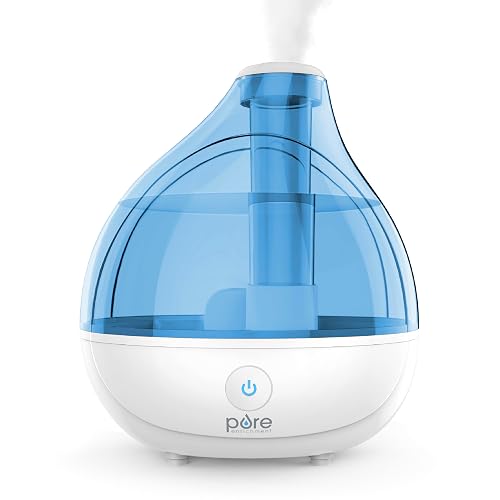
If you are looking at specific models, start with a purifier sized to your room. For example, View on Amazon is a commonly listed option for medium-sized rooms, and you can compare setup and filter details in Winix C545 Air Purifier: Setup, Room Size and Filter Tips (2026). For a humidifier, View on Amazon is a frequently listed ultrasonic model for bedrooms. For a combined approach, see 7 Best Air Filters with Humidifier Combos for Home Use (2026).
FAQ
Can an air purifier add moisture to dry air?
No. A standard air purifier filters particles and does not add water vapor. If the room is dry, you need a humidifier. Some combo units include both functions, but they are still separate features.
Can a humidifier clean the air?
Not in the way a filter does. A humidifier adds moisture and does not capture dust, pollen or pet dander. Some models include filters for mineral reduction, but those are not air purification in the HEPA sense.
What humidity level should I aim for at home?
Many people aim for roughly 30% to 50% relative humidity. Using a hygrometer helps you stay in range and avoid the excess moisture that can encourage dust mites and mold. Adjust based on your comfort and any guidance from your healthcare provider.
How do I know what size air purifier I need?
Check the room’s square footage and look for a CADR rating that is at least two-thirds of that number for dust or pollen. Higher CADR is useful for smoke or pets. If you have a large open space, consider a larger unit or two smaller ones.
Is it safe to run both at the same time?
Generally, yes, if both are maintained properly and placed sensibly. Keep the humidifier at a level that does not cause condensation or mold, and do not place the purifier where it will pull in mist from the humidifier. If you have respiratory conditions, check with a doctor before making major changes.
Conclusion
The air filter vs humidifier decision depends on what your indoor air is missing. An air purifier cleans particles and suits allergy, dust, pet and smoke concerns. A humidifier adds moisture and suits dry-air discomfort. Measure your room, check your symptoms with a professional if needed, and choose the device that fixes the problem you actually have. Many households end up using both.
About Graham Fisher
Graham Fisher is part of our editorial team and reviews and edits our indoor air guides, checking product details against manufacturer specifications and owner feedback.