As an Amazon Associate I earn from qualifying purchases. This page may contain affiliate links.
A washable air purifier filter can cut replacement costs and reduce waste, but only if you clean it correctly and understand what it can and cannot capture. This guide explains how washable filters work, how to clean and dry them without damaging them, how to tell when they need replacing, and what to look for when shopping. Because washable filters are usually pre-filters or activated carbon layers rather than true HEPA media, you will also learn where they fit in a complete filtration setup.
What a Washable Air Purifier Filter Actually Does
Most washable filters are mesh or foam pre-filters. Their job is to catch the large particles, such as pet hair, lint, carpet fibers and dust clumps, before air reaches the finer filter behind them. Protecting the finer filter extends its life, which is the main reason washable pre-filters are so widely used. For a broader look at how these stages fit together, see How Air Purifiers Work.
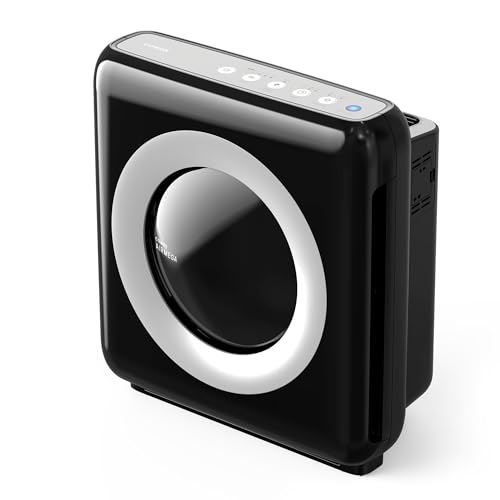
Shopping for one? See our guide: Pure Air 3000 Air Purifier Review (2026): Pros, Cons & Who Should Buy.
Some purifiers also use washable layers of activated carbon fabric or a washable pre-filter that doubles as an odor stage. Carbon adsorbs gases and odors, but a washable carbon cloth typically loses effectiveness over time, so manufacturers often recommend replacing it on a fixed schedule even if it still looks clean.
A washable filter does not replace a true HEPA filter in most models. Manufacturers generally rate the washable layer for coarse particles, not the fine particulates, such as many allergens and smoke particles, that HEPA media is designed to trap. For more on that distinction, read HEPA Filters Explained.
Is a Washable Filter Right for Your Purifier?
Before you buy or clean anything, confirm the filter is actually designed to be washed. Some purifiers have a washable pre-filter with a permanent HEPA or carbon filter behind it. Others use a single filter that is labeled “do not wash” or “do not get wet.” Washing the wrong element can ruin it.
Check the manual or product page for these points:
- Which filter layers are washable and which are not
- Whether water, mild soap or vacuuming is recommended
- The required drying time before reinstalling
- The maximum number of washes before replacement
Tools and Supplies for Cleaning a Washable Filter
You do not need much to clean a washable filter well. Gather these before you start:
- A soft-bristled brush or dry microfiber cloth
- A vacuum with a brush attachment
- A basin or sink with lukewarm water
- A small amount of mild, unscented dish soap
- A clean towel and a dry, ventilated space for air drying
Step-by-Step: How to Clean a Washable Air Purifier Filter
Step 1: Power Off and Remove the Filter
Unplug the purifier before you touch the filter. Open the access panel and slide out the pre-filter, noting its orientation so you can reinstall it correctly.
Step 2: Dry Vacuum First
Vacuum both sides of the filter with a brush attachment to remove loose dust and hair. Doing this first keeps the water from turning dust into a muddy film that clogs the mesh.
Step 3: Wash Gently
Soak the filter in lukewarm water with a few drops of mild soap for several minutes. Rinse under gentle running water, working from the clean side toward the dirty side so you push debris out rather than deeper in. Avoid hot water, bleach, harsh solvents and pressure washers, since they can warp plastic frames and degrade fabric or foam.
Step 4: Dry Completely
Shake off excess water and lay the filter flat on a towel in a warm, dry, ventilated spot. Do not use a clothes dryer, heater or direct sun, which can warp the frame. Most filters need several hours, and some need a full day. Reinstalling a damp filter can promote mold and damage the motor or electronics.
Step 5: Reinstall and Test
Once the filter is bone dry, reinstall it in the same orientation, close the panel and power the unit on. Listen for normal airflow and check the indicator light if your model has one.
Cleaning Frequency and Signs of Wear
How often you clean depends on your environment. Homes with pets, carpeting or construction dust may need cleaning every two to four weeks, while a cleaner home may only need it every one to two months. Manufacturers usually include a suggested interval and a filter-change indicator, and those are the best starting points.
| Condition | Suggested Action |
|---|---|
| Light visible dust on mesh | Vacuum and rinse |
| Heavy pet hair or grime | Vacuum, soak and rinse |
| Torn, stretched or warped frame | Replace |
| Persistent odor after cleaning | Check carbon layer or replace |
| Mold, mildew or permanent staining | Replace |
| Fabric carbon layer past manufacturer’s wash limit | Replace |
Replace the filter when cleaning no longer restores airflow or when the manufacturer’s maximum wash count is reached. Washing fabric or foam over and over breaks down its fibers and can reduce filtration.
Choosing an Air Purifier With Washable Filters
If you are shopping for a purifier specifically because you want fewer replacement filters, consider these factors:
- Which stages are washable. A washable pre-filter in front of a long-life HEPA filter gives you the most maintenance savings.
- Room size and airflow rating. Make sure the unit’s clean air delivery rate suits your room. The guide to Air Purifier Room Size Guide and Air Purifier CADR Explained walks through the math.
- Replacement schedule for the non-washable parts. Washable pre-filters can last for years, but HEPA and carbon stages still need replacing.
- Noise and fan speeds. Dirty pre-filters make fans work harder, so keeping them clean also keeps noise down.
Broader selection advice is in Air Purifier Buying Guide and How to Select Air Purifier for Home: 7 Factors That Matter. If you are looking for a specific type of pre-filter, 5 Best Air Purifier Pre-Filters covers several options.
Common Mistakes
- Washing a filter that is labeled for vacuuming only
- Reinstalling a filter before it is completely dry
- Using hot water, bleach or strong cleaners
- Skipping the dry vacuum step, which turns dust into sludge
- Washing a carbon cloth and expecting it to keep full odor capture
- Ignoring the maximum wash count and keeping a worn filter in use
Tips for Longer Filter Life
- Vacuum the pre-filter every week in homes with pets or heavy dust.
- Keep a second washable pre-filter so you can rotate it while the other dries.
- Close doors and windows near the unit during construction or dusty work.
- Note the date of each cleaning on a sticky label or in your phone.
- Consult the manufacturer or an HVAC professional if you have allergies, asthma or unusual air quality concerns.
Recommended gear
- Soft-bristled cleaning brush lets you loosen dust from mesh without tearing it. View on Amazon
- Handheld vacuum with brush attachment removes loose hair and lint before washing, which keeps the wash water clean. View on Amazon
- Microfiber cloths are useful for wiping the filter housing and drying frames without leaving lint. View on Amazon
FAQ
Can I wash any air purifier filter?
No. Only filters labeled washable or reusable by the manufacturer should be washed. HEPA filters and many carbon filters should not be submerged or rinsed.
How do I know if my washable filter is still working?
If it traps visible dust, restores normal airflow after cleaning and shows no tears or odor, it is likely still doing its job. Persistent odor or reduced airflow are signs of wear.
Can I use a washing machine?
Generally no. Machines can tear mesh, warp frames and damage bonded materials. Hand washing with mild soap is the safer approach.
How long should I wait before reinstalling a washed filter?
Wait until it is completely dry, which often takes several hours and sometimes a full day. Check that no damp spots remain in the foam or mesh.
Does a washable filter remove smoke and VOCs?
A washable pre-filter mainly captures large particles. Smoke and gases typically require a carbon layer or other dedicated media, and washing a carbon cloth usually reduces its effectiveness.
Can I use soap on the filter?
Use only a small amount of mild, unscented dish soap, and rinse thoroughly. Residue left in the mesh can attract dust and affect airflow.
Is a washable filter enough for allergies?
Usually not on its own. Many allergens are fine particles that need HEPA-grade filtration. If allergies or asthma are a concern, consult a physician or allergist for personalized advice.
What is the best way to store a spare washable filter?
Keep it in a dry, clean bag or box away from dust. Store it only after it is fully dry, or it may develop mold or odor.
Conclusion
A washable air purifier filter can reduce waste and keep the finer filters behind it working longer, but only when you clean it gently, dry it fully and replace it when it wears out. Confirm which parts of your purifier are washable, follow the manufacturer’s guidance and pair the washable stage with proper HEPA or carbon media for the best results.