By Graham Fisher
Updated November 2026
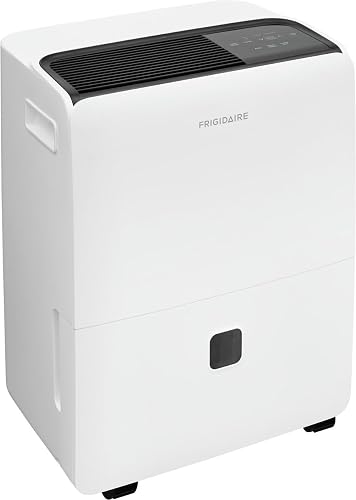
A dehumidifier can help get rid of mold by pulling moisture out of the air and keeping relative humidity low enough that mold cannot keep growing. It will not kill existing mold or clean surfaces on its own, so this guide walks through how to combine a dehumidifier with cleaning, moisture repair, and monitoring. By the end, you will know how to measure your humidity, pick the right unit, and set it up to stop mold from coming back.
Why a Dehumidifier Helps With Mold (and Where It Stops)
Mold needs moisture to grow. Most indoor mold species stop spreading when relative humidity stays at or below about 50 percent, and many guidance documents from public health agencies recommend keeping indoor humidity between 30 and 50 percent. A dehumidifier lowers the moisture content of the air, which dries out damp materials like drywall, carpet backing, insulation, and wood framing over time.
Shopping for one? See our guide: HWD-45 Wall Mounted Horizontal Dehumidifier Review (2026).
What a dehumidifier cannot do is remove mold that is already established. Mold colonies on drywall, wood, or fabric need to be cleaned, removed, or in some cases replaced. A dehumidifier is best thought of as the prevention and control half of the job. The cleanup is the other half.
Step 1: Confirm You Have a Moisture Problem
Before buying anything, find out where the moisture is coming from. A dehumidifier treats the symptom, while the source might be a leak, poor ventilation, or groundwater seeping into a basement.
- Check for visible water stains, peeling paint, or soft drywall.
- Look under sinks, around toilet bases, and behind appliances.
- Inspect crawl spaces and basements for standing water or condensation on pipes.
- Notice musty odors that are strongest in certain rooms.
- Check window frames and exterior walls for condensation in cold weather.
If you find an active leak, fix it first. Running a dehumidifier over a steady water source will not keep up.
Measure Your Humidity
A basic digital hygrometer costs little and tells you the relative humidity in each room. Place one in the area with the problem and another in a drier part of the house for comparison. Readings consistently above 60 percent are a clear sign that a dehumidifier is needed. Readings between 50 and 60 percent mean you are in the danger zone for slow mold growth in cooler spots like exterior corners and closets.
Step 2: Clean the Existing Mold
Dehumidifiers and mold cleanup should happen in the right order. Running a dehumidifier while mold spores are being disturbed can spread them. Clean first, then dry and dehumidify.
- Put on protective gear: nitrile gloves, eye protection, and an N95 respirator at minimum.
- Isolate the area by closing doors and, if possible, turning off the HVAC system to avoid spreading spores.
- For small, hard-surface areas (roughly under 10 square feet, per the EPA guidance on residential mold), scrub with detergent and water, then dry completely.
- Remove and discard porous materials that have mold growth, such as ceiling tiles, carpet padding, and water-damaged drywall.
- Dry the cleaned area fully using fans and then the dehumidifier.
Large infestations, mold that covers more than about 10 square feet, or mold linked to sewage or contaminated water should be handled by a qualified mold remediation professional. If anyone in the household has asthma, a compromised immune system, or a known mold allergy, consult a healthcare provider or a remediation professional before starting any cleanup.
Step 3: Choose the Right Dehumidifier for the Room
Dehumidifiers are rated by how many pints of water they can remove from the air in 24 hours, usually under standard test conditions (often 80°F and 60 percent relative humidity). Sizing matters because an undersized unit will run constantly and never reach the target humidity.
| Area Size | Typical Dry Conditions | Suggested Capacity (Pints/Day) |
|---|---|---|
| Up to 1,000 sq ft | Mildly damp, no visible water | 30 to 35 |
| 1,000 to 2,000 sq ft | Moderate humidity, a few musty spots | 40 to 50 |
| Basements or whole-house problems | Persistent dampness, past water intrusion | 50 to 70 |
Manufacturers often specify coverage ranges, but these are guidelines. A damp basement in a humid climate usually needs more capacity than a dry-climate room of the same size. Check the unit’s rated operating temperature too, since many compressor dehumidifiers lose capacity in cool basements, and a desiccant model may be better in those conditions.
Look for Useful Features
- Adjustable humidistat: lets you set a target such as 45 percent so the unit cycles on and off instead of running non-stop.
- Continuous drain option: a hose connection avoids emptying the bucket, which matters for long-running mold control.
- Auto-defrost: important for cooler spaces so the coils do not ice over.
- Full-bucket shutoff: prevents overflow if you are not using a drain hose.
Step 4: Set Up and Position the Dehumidifier
Placement changes performance more than most people expect. Follow these basics for the best results:
- Center the unit in the room, at least 12 inches from walls and furniture so air can circulate.
- Keep doors and windows closed while it runs, so it is not fighting outside humid air.
- Place it near the source of the dampness, such as a basement wall or a bathroom entrance, but not directly on carpet, which can trap moisture underneath.
- Set the humidistat to 45 to 50 percent to start, then adjust based on your hygrometer readings.
- If the room is cold, verify the unit’s minimum operating temperature in its manual.
Run a fan in the room to move air across wet surfaces and into the dehumidifier intake. This helps drying happen faster, especially behind furniture or inside closets.
Step 5: Monitor and Maintain
Once the dehumidifier is running, your job shifts to watching the numbers. Check the hygrometer weekly at first. If humidity stays above target, look for new leaks, check whether the air filter is clogged, or consider a larger unit. Empty the bucket regularly or keep the drain hose clear. Clean the filter every few weeks, since dust on the filter reduces airflow and efficiency.
Recommended Drying Timeline
- Days 1 to 3: run the dehumidifier continuously with fans, and check for standing moisture.
- Days 4 to 7: confirm humidity is trending down. Materials should feel dry to the touch.
- After 1 week: switch to a humidistat setting around 45 to 50 percent for ongoing control.
Common Mistakes
- Running a dehumidifier without fixing the water source, which keeps the problem going.
- Skipping the cleaning step and blowing spores around the room.
- Buying a unit that is too small for the space, then assuming it is broken.
- Leaving the humidistat set too low, which can make the air uncomfortably dry.
- Forgetting to empty the bucket, causing the unit to shut off and humidity to rise again.
- Ignoring ventilation in bathrooms and kitchens, where most indoor moisture is generated.
- Relying on a dehumidifier alone when mold covers large areas or sits inside walls.
Tips for Long-Term Mold Control
- Run bathroom and kitchen exhaust fans during and after showers and cooking.
- Keep gutters clear and make sure the ground slopes away from the foundation.
- Use a closet or cabinet dehumidifier pack in storage areas that stay damp.
- Keep furniture a few inches off exterior walls so air can move behind it.
- Pair a dehumidifier with a HEPA air purifier if spores are a concern for allergy sufferers. Note that an air purifier removes airborne spores but does not stop mold growth on its own.
Recommended Gear
A few supporting tools make the process far easier and help you verify results.
- A compressor dehumidifier sized for your space: the main tool for keeping humidity below 50 percent. View on Amazon
- A digital hygrometer: lets you track humidity in each room so you know whether the unit is working. View on Amazon
- An N95 respirator and nitrile gloves: protect you during cleanup of visible mold. View on Amazon
- Box fans or air movers: speed up surface drying before and during dehumidification. View on Amazon
FAQ
Can a dehumidifier kill mold?
No. A dehumidifier lowers moisture so mold stops growing and surfaces dry out, but it does not kill mold that is already present. Visible growth needs to be cleaned or removed.
What humidity level stops mold?
Most sources recommend keeping indoor relative humidity between 30 and 50 percent. Staying at or below about 50 percent limits most common mold growth.
How long does it take a dehumidifier to get rid of mold?
It depends on the extent of dampness and the size of the unit. Surfaces often feel dry within several days, but the real test is whether humidity stays low over the following weeks. Visible mold still needs direct cleaning.
Should I run a dehumidifier all the time?
In a damp area, yes, but using the humidistat to hold a target around 45 to 50 percent is more efficient than running it nonstop. Watch your hygrometer and adjust the setting as the seasons change.
Is a dehumidifier enough to fix a basement mold problem?
Often it is part of the solution. Basements usually need the water source addressed, such as grading, gutters, or a sump system, along with cleaning and dehumidification. Larger or recurring problems warrant a professional inspection.
Where should I place a dehumidifier for mold?
Place it in the center of the affected room, away from walls and furniture, with doors and windows closed. Position it close to the moisture source but not directly on carpet.
Do I need to empty the dehumidifier bucket?
If you do not use a continuous drain hose, yes. A full bucket will stop the unit, and humidity will climb again. A drain hose is the better choice for long-term mold control.
Can a dehumidifier make mold worse?
Not if it is used correctly. Problems occur when the bucket overflows, the filter is clogged, or the unit is left running in a room with an unrepaired leak. Keep the unit clean and the humidity target realistic.
Conclusion
A dehumidifier can be a powerful tool to stop mold from growing and keep it from returning, but only when paired with a fixed moisture source and proper cleanup. Measure your humidity, size the unit for your space, and keep indoor levels around 45 to 50 percent. For large or recurring mold, consult a qualified mold remediation professional.
Related reading
- Midea Dehumidifier 50 Pint Review: Features and Performance
- Midea Cube 50 Pint Dehumidifier: Setup, Settings and Upkeep Guide (2026)
- Dehumidifier Air Purifier Combo: How to Choose One That Works (2026)
Ready to choose one?
About Graham Fisher
Graham Fisher is part of our editorial team and reviews and edits our indoor air guides, checking product details against manufacturer specifications and owner feedback.