By Ella Sterling
If you are trying to decide between an air purifier or dehumidifier for allergies, the short answer is this: an air purifier with a true HEPA filter is the better choice for most allergy sufferers, because it removes airborne particles like pollen, pet dander, dust mite debris and mold spores that are already floating in the air. A dehumidifier is the better choice when your allergy triggers depend on moisture, such as dust mites and mold growing in a damp basement, and your indoor relative humidity sits above about 50 percent. Many households end up needing both, but the right starting point depends on what is setting off your symptoms.
| Criterion | Air Purifier (HEPA) | Dehumidifier |
|---|---|---|
| Main job | Captures airborne particles | Removes water vapor from air |
| Best against | Pollen, pet dander, dust, smoke, spores in the air | Dust mites, mold growth, musty odors |
| Effect on particles already airborne | Strong, through filtration | Minimal |
| Effect on humidity | None | Lowers humidity to a set target |
| Maintenance | Replace or clean filters on the schedule the maker specifies | Empty or drain the tank, clean the filter and coils |
| Best room size fit | Matched by CADR rating to room area | Matched by pints-per-day capacity to humidity load |
| Winter use | Works year-round | Less useful in dry winter air |
Which Option Removes Allergens More Effectively?
The air purifier wins this round. Most allergens that cause symptoms are small particles suspended in the air you breathe: birch and ragweed pollen, cat and dog dander, fine dust, and spores. A purifier pulls air through a filter, and a true HEPA filter is rated to capture at least 99.97 percent of particles at 0.3 microns. That size is a useful benchmark because it is near the most penetrating particle size, meaning particles both larger and smaller tend to get caught.
A dehumidifier does not filter particles. It cools air across a coil to condense water, and whatever dust or pollen is in the room stays in the room. It can reduce the conditions that let dust mites and mold thrive, but it does not clean the air you are breathing right now. If your symptoms flare when you vacuum, dust a shelf or walk past a pet, the purifier is the tool that targets those particles directly.
For readers who want to understand the mechanics before buying, our guide on How Air Purifiers Work explains the filtration stages in more detail, and Best True HEPA Air Purifiers covers what to look for on the label.
Which Option Controls Dust Mites and Mold Better?
The dehumidifier wins this round. Dust mites need relative humidity above roughly 50 percent to survive and reproduce, and mold typically needs sustained moisture to grow. Lowering humidity to somewhere between 30 and 50 percent, which most public health and building guidance recommends, makes the environment hostile to both. A dehumidifier with a built-in humidistat lets you set a target, and many models show the current reading on a display so you can confirm the room is holding steady.
An air purifier does not change humidity at all, so it cannot stop mold from growing on a damp wall or dust mites from colonizing a mattress. It can capture the mold spores and mite debris that are already airborne, which helps, but it treats the symptom rather than the source. If your home has a moisture problem, a purifier alone will not fix it. Check for leaks, improve ventilation in bathrooms and kitchens, and use a hygrometer to track humidity.
A common mistake is buying a dehumidifier for a bedroom that is already dry. If your indoor humidity is 40 percent in winter, running a dehumidifier will do little and may leave the air too dry, which can irritate airways. Measure before you buy.
Which Option Is Easier to Size for Your Space?
This one is closer to a tie, but the air purifier edges ahead for most people because the sizing method is simpler. Purifiers are rated by Clean Air Delivery Rate, or CADR, which is measured in cubic feet per minute for smoke, dust and pollen. A common rule of thumb is to choose a unit whose CADR is at least two-thirds of the room’s area in square feet. For a 300-square-foot bedroom, that means a CADR of about 200 or higher. For allergies, aiming higher is often sensible, and some people use the full room area as the target. Our primer on How to Select Air Purifier for Home: 7 Factors That Matter walks through the calculation.
Dehumidifiers are sized by how much water they remove in a day, measured in pints per day under standardized test conditions. A small unit for a single room may handle 20 to 30 pints per day, while larger models for basements can handle 50 pints or more. Sizing depends on the room’s moisture load, the starting humidity and the room’s volume. Manufacturers typically publish capacity charts by square footage and humidity level, and it is worth using them rather than guessing. For a basement that stays damp, a larger capacity unit is usually the better fit.
Both products can be oversized or undersized, and each mistake causes its own problem. An undersized purifier will not clean the air fast enough, and an oversized dehumidifier may cycle on and off too quickly to dry the air evenly.
Which Option Costs Less to Run and Maintain?
The answer depends on how you define cost of ownership, and this is where the two products diverge most. Air purifiers have recurring filter replacement costs. A true HEPA filter usually needs replacing every six to twelve months, depending on use, air quality and pre-filter maintenance. Pre-filters and activated carbon layers may need more frequent attention. Some units use washable filters, which reduces ongoing spend but still requires periodic deep cleaning. Our guide on Washable Air Purifier Filter: Care Steps, Limits and Buying Tips covers what to expect from that type.
Dehumidifiers have fewer consumables. The main recurring task is cleaning the reusable air filter and the coils, and emptying or draining the water tank, which is a routine chore rather than a purchase. Energy use is the bigger variable. Dehumidifiers run a compressor and fan continuously while they work, so electricity use can be noticeable, especially in humid climates during summer. Energy Star certified models are generally more efficient, and you can check the rated energy consumption on the label to estimate running cost in your area.
In short, purifiers have ongoing filter purchases while dehumidifiers have ongoing electricity and emptying. Dehumidifiers often win on routine maintenance, while purifiers often win if you want to avoid running a machine that heats the room slightly and draws steady power.
Which Option Suits Seasonal or Specific Triggers Better?
The air purifier wins for seasonal triggers and for triggers that come from outside or from pets. Pollen season, wildfire smoke and pet dander are all airborne events, and a purifier responds to them directly. Households with a cat, dog or other shedding pet often find a purifier helps more than anything else, and our roundups of 8 Best Air Purifiers for Cat Dander Picks for Allergy-Prone Homes (2026) and 10 Best HEPA Air Purifiers for Cat Allergies (2026) show the types of units people typically consider. For smoke specifically, Smoke and Air Purifier: 7 Best Picks for Wildfire Smoke (2026) is a useful starting point.
The dehumidifier wins for triggers that come from moisture: dust mites, mold, and the musty smell that accompanies both. These triggers are often year-round and concentrated in basements, bathrooms, crawl spaces and bedrooms in older homes. If your symptoms are worst in damp weather or when you first walk into a closed room with a musty odor, the dehumidifier is the more relevant tool.
If you are unsure which pattern fits you, track your symptoms for two weeks alongside humidity readings. Symptoms that spike with pollen counts or pets point toward the purifier, while symptoms that track with humidity or musty smells point toward the dehumidifier.
Which Should You Choose?
- Choose an air purifier with a true HEPA filter if your symptoms come from pollen, pet dander, dust you can see or smell, or wildfire smoke.
- Choose an air purifier if you have a pet that sheds or if you want to clean the air in a bedroom where you spend eight hours a night.
- Choose a dehumidifier if your home measures above 50 percent relative humidity, you see condensation on windows, or you notice mold or musty odors.
- Choose a dehumidifier for a basement, crawl space or laundry area that stays damp, especially if you store items there.
- Choose both if you have confirmed dust mite or mold problems and also airborne triggers. A combination unit may suit small spaces, and our guide to Dehumidifier Air Purifier Combo: How to Choose One That Works (2026) covers what to look for.
- Choose neither as your first step if your humidity is already low and your symptoms are mild. Start with a hygrometer and a vacuum with a HEPA filter, then decide.
If you are comparing a humidifier to a purifier because your air feels dry, Humidifier vs Air Purifier for Allergies (2026): Which Is Better? addresses that trade-off, since dry air can also worsen irritation.
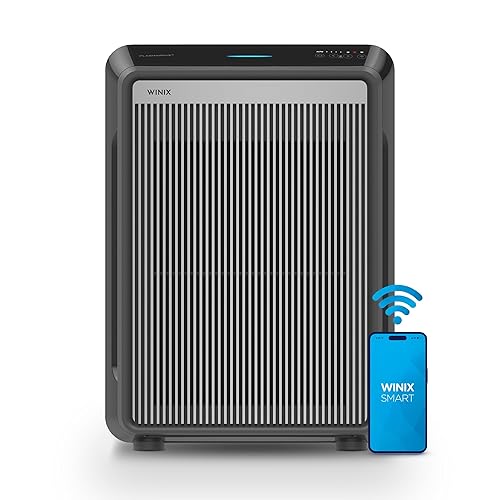
Air purifiers that many owners recommend for allergy use include the following. Check current specifications before buying, since models change.
Dehumidifiers commonly suggested for allergy-prone homes include the following. Confirm capacity matches your room size and moisture level.
FAQ
Can an air purifier help with allergies caused by mold?
An air purifier can capture mold spores that are floating in the air, which may reduce symptoms for some people. However, it does not stop mold from growing. If you see visible mold or smell mustiness, you should address the moisture source, and a dehumidifier or repair work is usually required. People with significant mold sensitivity should consult an allergist or a qualified professional for an assessment.
Does a dehumidifier remove pollen or pet dander?
No. A dehumidifier removes water vapor and does not filter particles from the air. Pollen and pet dander stay in the room. Some dehumidifiers have a basic filter, but it is designed to protect the unit, not to clean the air. For particle removal, use a HEPA air purifier.
What humidity level is best for allergies?
Most guidance suggests keeping indoor relative humidity between roughly 30 and 50 percent. Staying below 50 percent helps limit dust mite and mold growth, while staying above about 30 percent helps avoid dry air that can irritate airways. A hygrometer is an inexpensive way to track your readings over several days.
Is an air purifier or dehumidifier better for a bedroom?
For most bedrooms, an air purifier is the more useful starting point because you spend long periods breathing the air there and bedrooms often collect dust and pet hair. Check humidity first. If the bedroom is consistently above 50 percent, a dehumidifier may also help. Ensure the unit is sized correctly and placed where it can run without blocking airflow.
Do I need a doctor’s advice before buying either one?
Air purifiers and dehumidifiers are generally safe for home use, but if you have asthma, severe allergies or respiratory conditions, talk with your doctor or allergist before making major changes. They can help you identify your specific triggers through testing and recommend whether environmental controls are likely to help. This article is general information and not medical advice.
Conclusion
For most allergy sufferers, an air purifier with a true HEPA filter is the better first step, because it removes the airborne pollen, dander and dust that trigger symptoms. A dehumidifier is the better choice when your triggers are moisture-driven, such as dust mites and mold, and your indoor humidity runs above about 50 percent. Measure your humidity, identify your triggers and size the unit to your room. If both problems are present, using both is a reasonable approach. Consult an allergist or medical professional if your symptoms are severe or persistent.

About Ella Sterling
Ella covers indoor air, comparing specs, features and long-term owner feedback to help readers choose with confidence.